Outdoors · Wildlife rules
Watching marine wildlife from shore
Sea lions, harbor seals, dolphins and migrating whales all pass the Laguna Beach coast, and tide pools hold smaller animals at low tide. Federal and state rules set how close you may get, what you may touch and who to call about an animal on the sand.
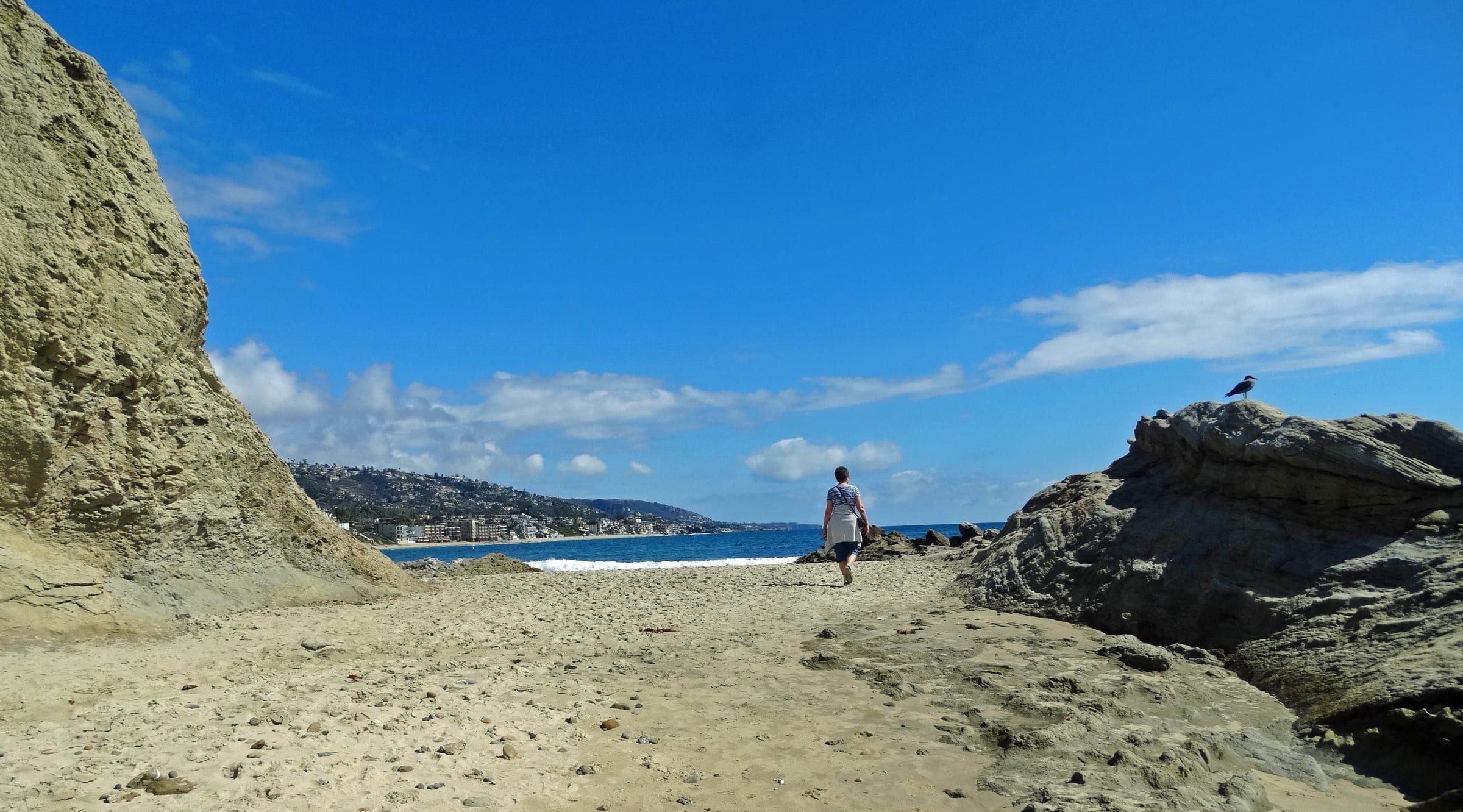
Photo: Myriamdc, CC BY-SA 4.0

- Distance
- At least 100 yards from seals and sea lions, per NOAA's West Coast page
- Stranded animal
- Pacific Marine Mammal Center, (949) 494-3050; NOAA hotline 866-767-6114
- Seal Rock
- About 120 yards off Crescent Bay; the city bars swimmers and kayakers from it
- Feeding
- Harmful and illegal for any marine mammal, per NOAA
- Reserve
- No take of living marine resources in Laguna Beach's two state areas (CDFW)
Where to go
Where to look and who to call
-
-
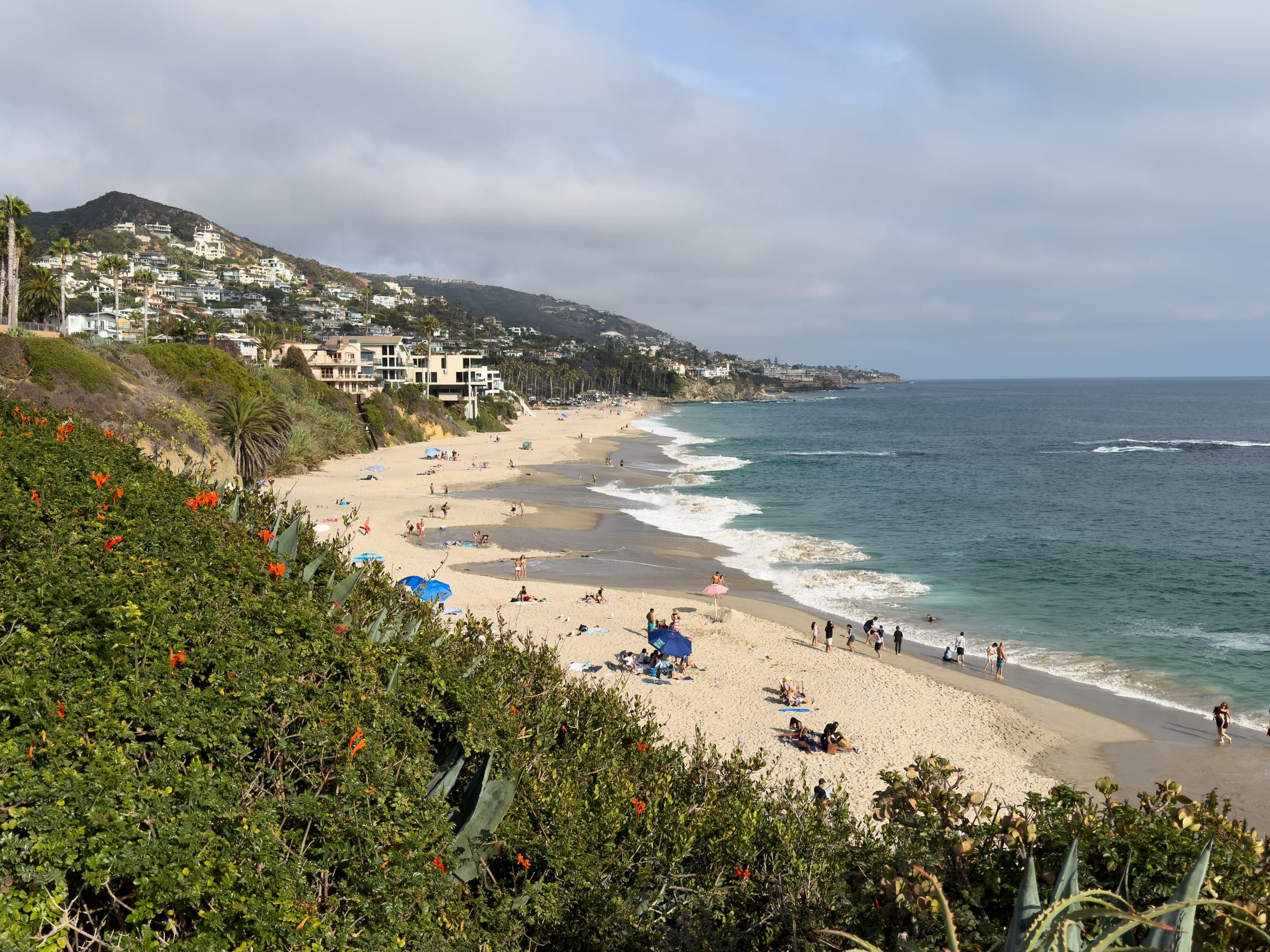
- Heisler Park Laguna Ocean Foundation lists seals, sea lions and dolphins, and occasionally whales, among the animals seen near the park.
- Pacific Marine Mammal Center The Orange County rescue contact for stranded seals, sea lions, dolphins and whales.
- Crystal Cove State Park CDFW says dolphins and sea lions are commonly seen from shore in the waters off the park.
Seals and sea lions on shore
NOAA Fisheries says seals and sea lions come ashore to rest and nurse their young, often on busy beaches. Close contact can interrupt those behaviors and may lead a mother to abandon her pup. Harassing them breaks federal law. NOAA’s West Coast page asks you to stay at least 100 yards from them, pets included, even if the animal shows no reaction. Its signs that you are too close are staring, fidgeting or fleeing.
NOAA’s national Marine Life Viewing Guidelines page gives 50 yards as a rule of thumb for seals and sea lions. The two NOAA pages differ. The 100-yard figure comes from NOAA’s West Coast Region, which covers California, and its stranding page repeats it, so plan on 100 yards here. On the sand, the same agency says to keep dogs on a leash, especially during harbor seal pup season, and to move off at the first sign of disturbance. For the limits that apply to boats and paddlers, see kayaking and paddleboarding.
Where people see them
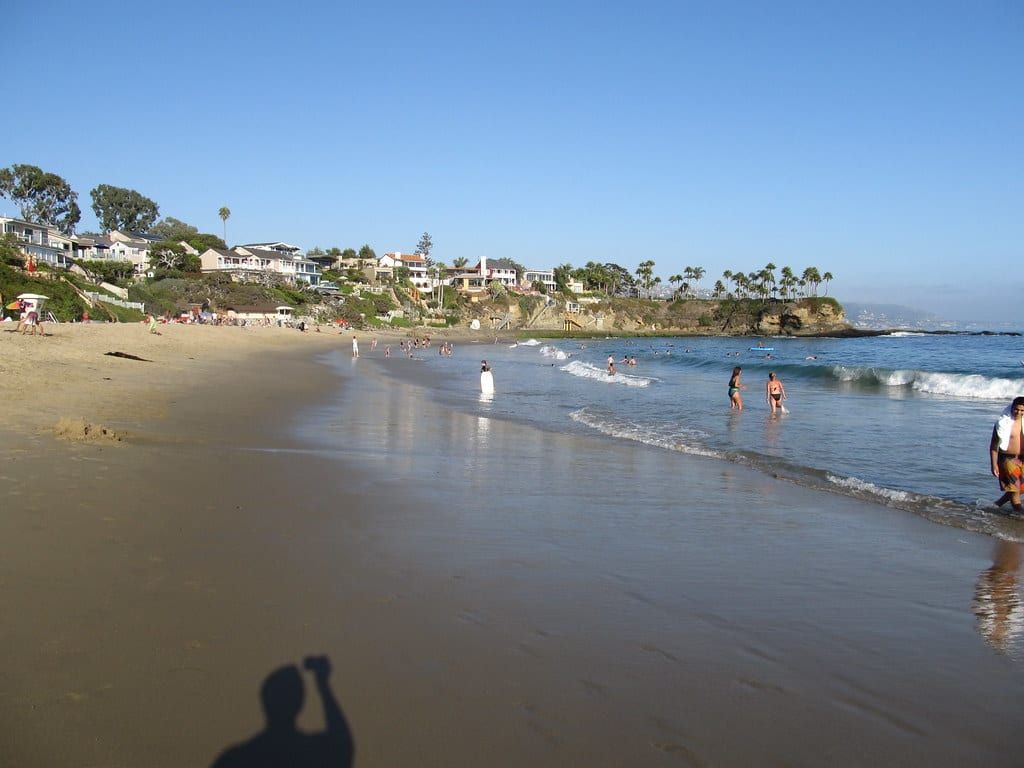
Near Crescent Bay, the city says Seal Rock, about 120 yards off the north point, takes its name from the seals and sea lions that take refuge there. It bars swimmers and kayakers from the rock. From the ramp at the end of the Treasure Island Park trail, the Laguna Ocean Foundation says a harbor seal may be sunbathing near Goff Island, and asks for at least 150 feet of space. NOAA’s 100 yards is twice that distance, so take the larger one.
The foundation also lists dolphin, seal and sea lion sightings near Crescent Bay and Heisler Park. CDFW says sea lions, harbor seals and migrating whales are often seen along the Laguna Beach coast, and says dolphins and sea lions are commonly seen from shore off Crystal Cove State Park.
Dolphins and whales
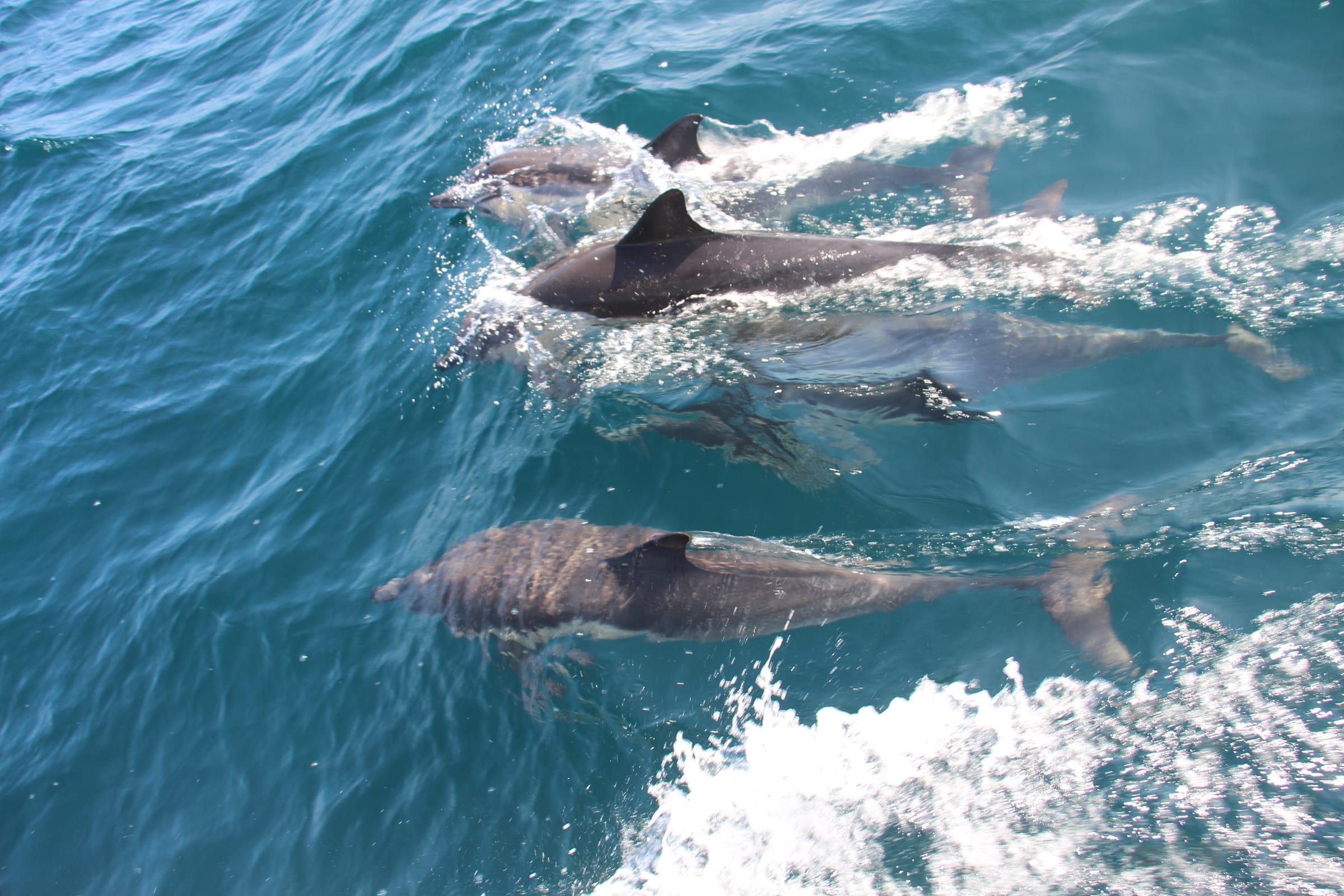
NOAA says never to feed a dolphin. It recommends staying at least 50 yards from dolphins when you watch from a boat, and 100 yards in some places, and at least 100 yards from whales. It suggests limiting any watch to 30 minutes. Whale seasons, shore lookouts and boat companies are on the whale watching page.
Tide pool animals
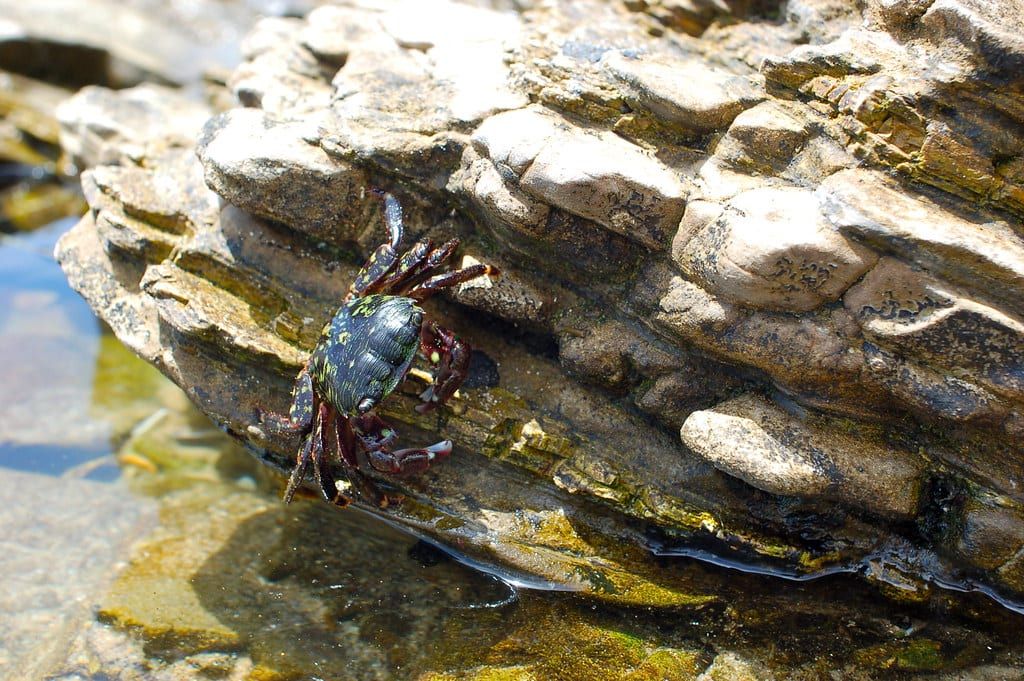
Low tide shows a different set of animals, from anemones and limpets to sea stars. The city’s Crescent Bay page tells visitors not to take, collect or disturb any marine life. The tide pools guide covers tide tables, access and the Laguna Ocean Foundation’s eight sites, where biologists and docents talk with visitors. Check in with a lifeguard before you walk out onto the rocks, as the foundation advises.
If you find a stranded or entangled animal
Seals and sea lions often rest on land, so a still animal is not always in trouble. NOAA’s stranding page says to judge whether the animal is truly stranded, to monitor it for 24 hours and to keep other people and pets 100 yards back. Do not touch it, move it or feed it.
For Orange County, the Pacific Marine Mammal Center’s site says to call (949) 494-3050 and ask for the animal care department. Describe where the animal is, any wounds, its size and condition, its behavior and any tags. The center says federal law bars you from pushing a beached animal back into the water, and asks you not to pour water on it. It is the county’s stranding responder, and its own page covers visiting the center.
NOAA also lists a West Coast stranding hotline at 866-767-6114, an entanglement hotline at 1-877-767-9425 and an enforcement hotline at 1-800-853-1964 for harassment. NOAA asks for a report of any dead marine mammal, a live sea lion or seal on the beach for more than 24 hours, and any animal that is obviously sick or injured.
State reserve rules
CDFW runs Laguna Beach’s shoreline as two no-take areas. The Laguna Beach State Marine Reserve runs from Abalone Point to Goff Island, and the Laguna Beach State Marine Conservation Area (No-Take) from Goff Island to Table Rock. In both, it is unlawful to injure, damage, take or possess any living, geological or cultural marine resource, and CDFW says fishing and any take is not allowed. North of Laguna, the Crystal Cove conservation area allows some fishing but bans take from tide pools, and so does the Dana Point conservation area to the south. The marine reserves page maps the boundaries. For the birds on the same rocks, see bird watching.
Go with a guide
Tours, rentals and lessons
| Who | What their site offers | Checked |
|---|---|---|
| Laguna Ocean Foundation | Free education from biologists and docents at eight tide pool spots | |
| Pacific Marine Mammal Center | Rescues stranded seals and sea lions; takes Orange County reports at (949) 494-3050 |
Listed A to Z. Nobody paid to be here; we check each site and date it. Confirm times, prices and age limits with the business before you go.

Keep exploring
Related pages
-
-
- Marine Mammal Center Outdoors
-
-
-

Questions
How close can you get to a seal or sea lion on a Laguna Beach beach?
NOAA's West Coast guidance, which covers California, says to keep yourself and your pets at least 100 yards away. NOAA's national page gives 50 yards as a rule of thumb, so on this coast use the West Coast figure. Move away if the animal stares, fidgets or heads for the water.
What should you do if you find a stranded seal or sea lion in Orange County?
Keep people and dogs back and call the Pacific Marine Mammal Center at (949) 494-3050, asking for the animal care department. NOAA's West Coast stranding hotline is 866-767-6114. Do not touch the animal, pour water on it or push it back into the sea.
Can you feed or touch a sea lion, dolphin or tide pool animal?
No. NOAA says feeding any marine mammal is harmful and illegal and that you should not touch or interact with them. In Laguna Beach's state marine reserve it is unlawful to injure, damage, take or possess any living marine resource.
Can you swim out to Seal Rock?
No. The city says swimmers and kayakers are not allowed on Seal Rock, about 120 yards off the north point of Crescent Bay, and should stay away from marine mammals in the area.
Thinking of moving here?
Get the printable moving checklist by email: before you move, moving week and your first 30 days.
Last reviewed
Sources (10)
- NOAA Fisheries, Share the Shore (West Coast): seals and sea lions come ashore to rest and nurse; mothers may leave pups on the beach while they feed; close encounters can interfere with survival behaviors or cause mothers to abandon pups; harassing seals and sea lions is a federal violation; move away at the first sign of disturbance; an animal that stares, fidgets or flees is too close; keep yourself and your pets at least 100 yards (a football field) from seals and sea lions even without those reactions; keep dogs on leash on West Coast beaches, especially in harbor seal pup season; call 866-767-6114 for an injured, stranded or dead animal: fisheries.noaa.gov, checked 2026-10-28
- NOAA Fisheries West Coast Marine Mammal Stranding Network: determine whether the animal is truly stranded, since many seals and sea lions haul out to rest; evaluate behavior and monitor condition for 24 hours; keep others and pets at least 100 yards away; West Coast Region Stranding Hotline 1-866-767-6114 for the West Coast (off California, Oregon and Washington); entanglement hotline 1-877-767-9425; NOAA Enforcement Hotline 1-800-853-1964 for harassment and other violations; report a live cetacean on the beach, a live pinniped on the beach for more than 24 hours, an obviously sick or injured animal and any dead marine mammal; information to report (location, size, condition, tags); do not disturb, move, touch or feed a marine mammal; Pacific Marine Mammal Center listed as a California partner: fisheries.noaa.gov, checked 2026-10-28
- NOAA Fisheries, Marine Life Viewing Guidelines (national): harassing marine mammals prohibited; do not feed any marine mammal; whales at least 100 yards; never feed a dolphin; dolphins and porpoises at least 50 yards when viewing from watercraft, in some locations 100 yards; as a rule of thumb at least 50 yards from seals and sea lions, people and pets included, which differs from the West Coast pages' 100 yards; limit viewing to 30 minutes: fisheries.noaa.gov, checked 2026-10-28
- Pacific Marine Mammal Center, A Patient's Journey: if you see a stranded animal in Orange County, call the center and ask for the animal care department, (949) 494-3050; describe the location and terrain, injuries, size and body condition, behavior and any tags; keep your distance; federal law prohibits touching, feeding, harassing, removing or returning a beached mammal to the water; do not pour water on the animal; seals and sea lions haul out to rest and not all need help: pacificmmc.org, checked 2026-10-28
- Pacific Marine Mammal Center, Plan your visit (patient FAQ): authorized under a NOAA Fisheries stranding agreement to respond to sea lions, seals, dolphins, whales and sea turtles in Orange County; notified through a 24/7 rescue hotline; assesses stranded marine mammals on the Orange County coast between Seal Beach and San Onofre: pacificmmc.org, checked 2026-10-28
- City of Laguna Beach, Crescent Bay Beach page (read via Wayback capture Oct. 22, 2026): Seal Rock about 120 yards off the north point, named for the seals and sea lions that take refuge there; swimmers and kayakers not allowed on the rock and should stay away from any marine mammals; do not take, collect or disturb any marine life; taking or collecting rocks, shells or marine life is prohibited; no fishing at the beach; Marine Protected Area listed: lagunabeachcity.net, checked 2026-10-28
- Laguna Ocean Foundation tide pool locations: eight spots with free education from its biologists and Tidewater Docents; Crescent Bay marine life includes sea stars, anemones, crabs, chitons, limpets, mussels and barnacles, with occasional sightings of dolphins, seals and sea lions; Heisler Park seals, sea lions, dolphins and occasionally whales in the area; at Goff Island, reached from the ramp at the end of the Treasure Island Park trail, a resident harbor seal may be sunbathing and visitors should stay back at least 150 feet; check in with a lifeguard on arrival: lagunaoceanfoundation.org, checked 2026-10-28
- CDFW, Laguna Beach State Marine Reserve and State Marine Conservation Area (No-Take): reserve from Abalone Point to Goff Island, conservation area from Goff Island to Table Rock; marine mammals including sea lions, harbor seals and migrating whales can often be seen; unlawful to injure, damage, take or possess any living, geological or cultural marine resource; recreational and commercial fishing and any take of marine resources not allowed in either area; take incidental to certain permitted activities may be allowed in the SMCA; Title 14 Section 632(b)(134) and (135): wildlife.ca.gov, checked 2026-10-28
- CDFW, Crystal Cove State Marine Conservation Area: dolphins and sea lions commonly seen from shore; recreational take of finfish by hook and line or spearfishing, spiny lobster and sea urchin allowed; take of living marine resources from tidepools prohibited; Title 14 Section 632(b)(133): wildlife.ca.gov, checked 2026-10-28
- CDFW, Dana Point State Marine Conservation Area, bordering the Laguna Beach no-take area on the south: recreational take of finfish, lobster and urchin allowed; take of living marine resources from tidepools prohibited; dolphins and sea lions commonly seen from shore: wildlife.ca.gov, checked 2026-10-28