Arts & culture · Art colony origins
Laguna Beach history
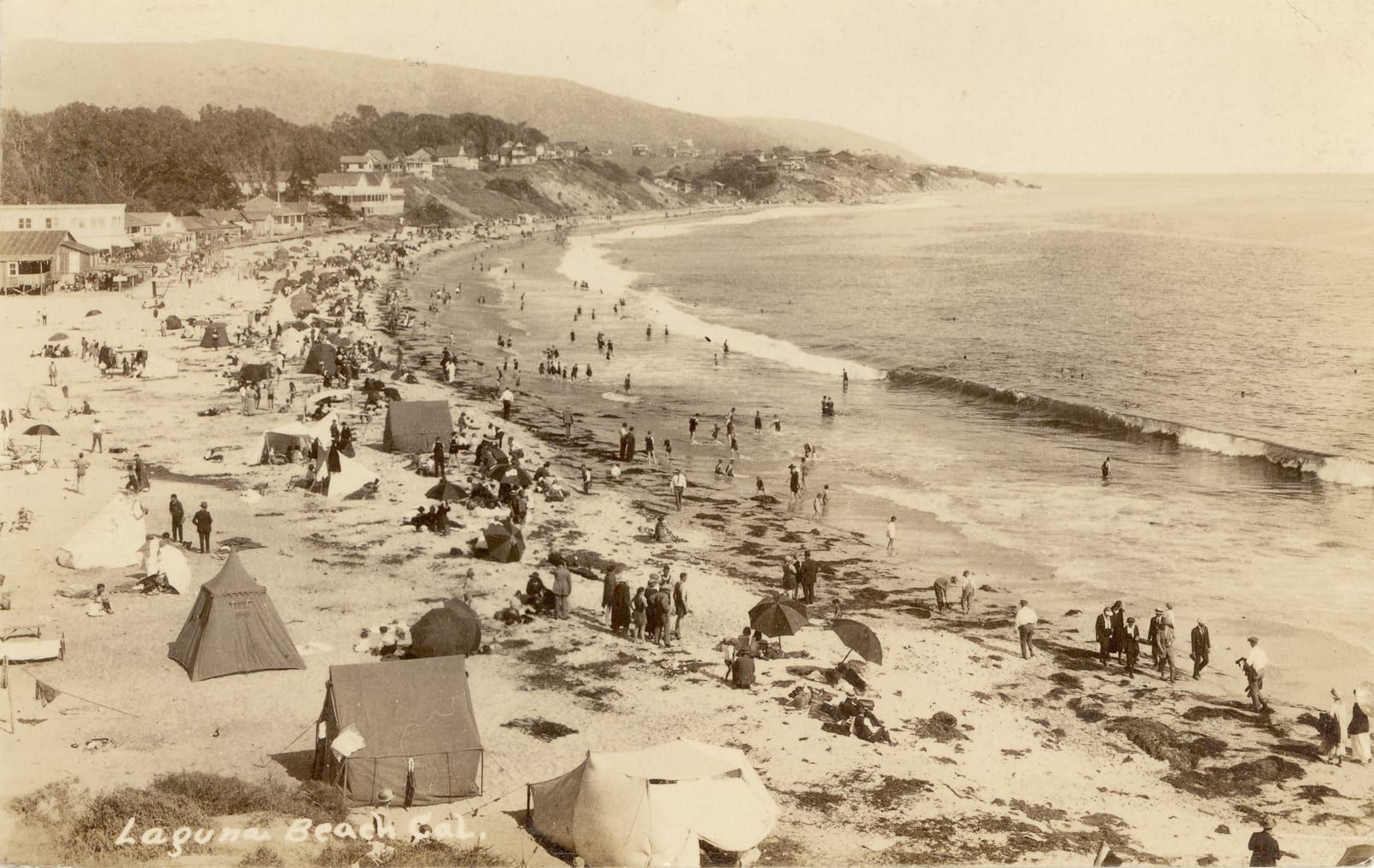
Laguna Beach grew from a homestead settlement into an art colony in the early 1900s, and became a city in 1927. The Laguna Beach Historical Society keeps the records and runs a small museum in a 1920s bungalow.
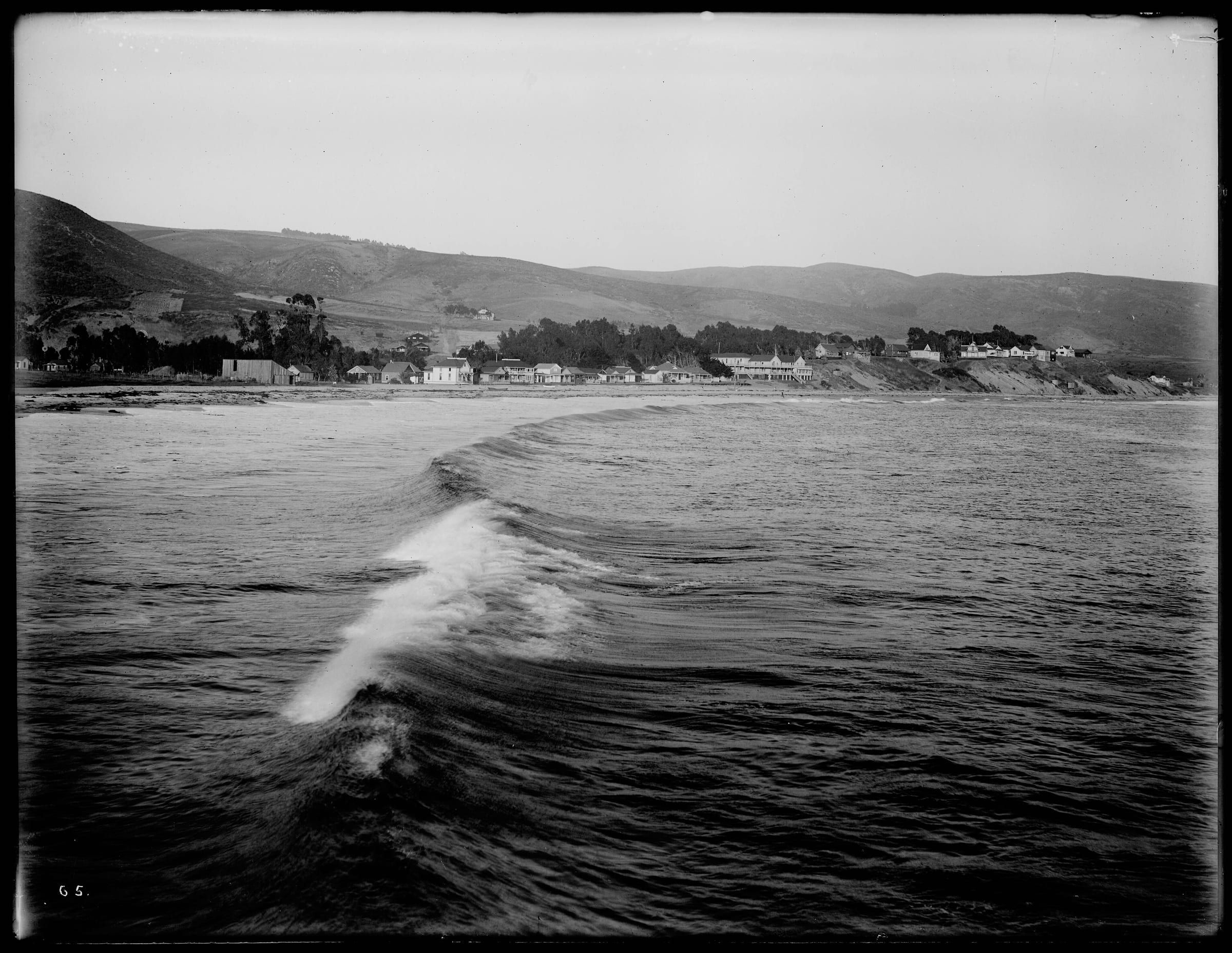
Photo: Unknown photographer (Tom Pulley Postcard Collection), Public domain

- Art colony began
- 1903, when painter Norman St. Clair arrived
- Became a city
- 1927, the first incorporated city in South Orange County
- Bungalow museum
- Most Fridays, Saturdays and Sundays, 1 to 4 p.m.
- Bungalow address
- 278 Ocean Avenue
Where to go
Historic places
-
-
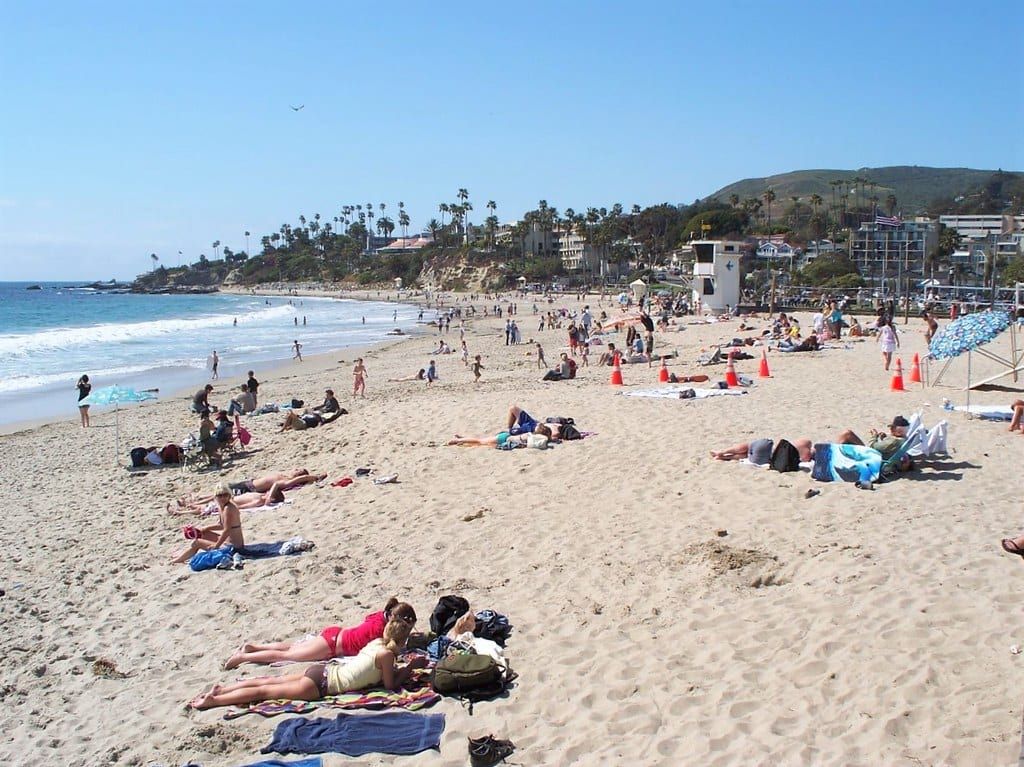
- Murphy-Smith Bungalow The Historical Society's museum at 278 Ocean Avenue, on the city's Historic Register.
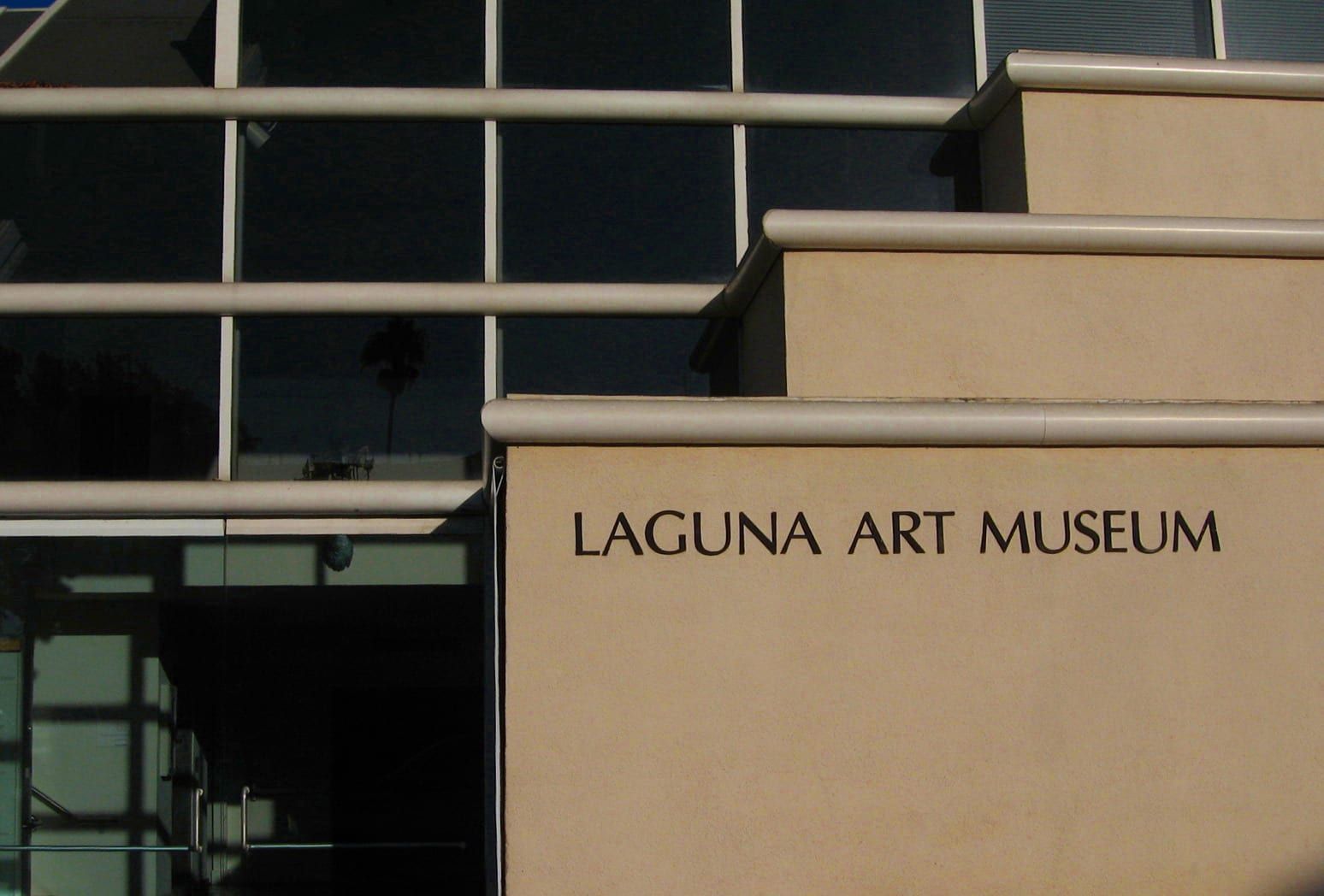
- Laguna Art Museum Began in 1918 as the Laguna Beach Art Association.
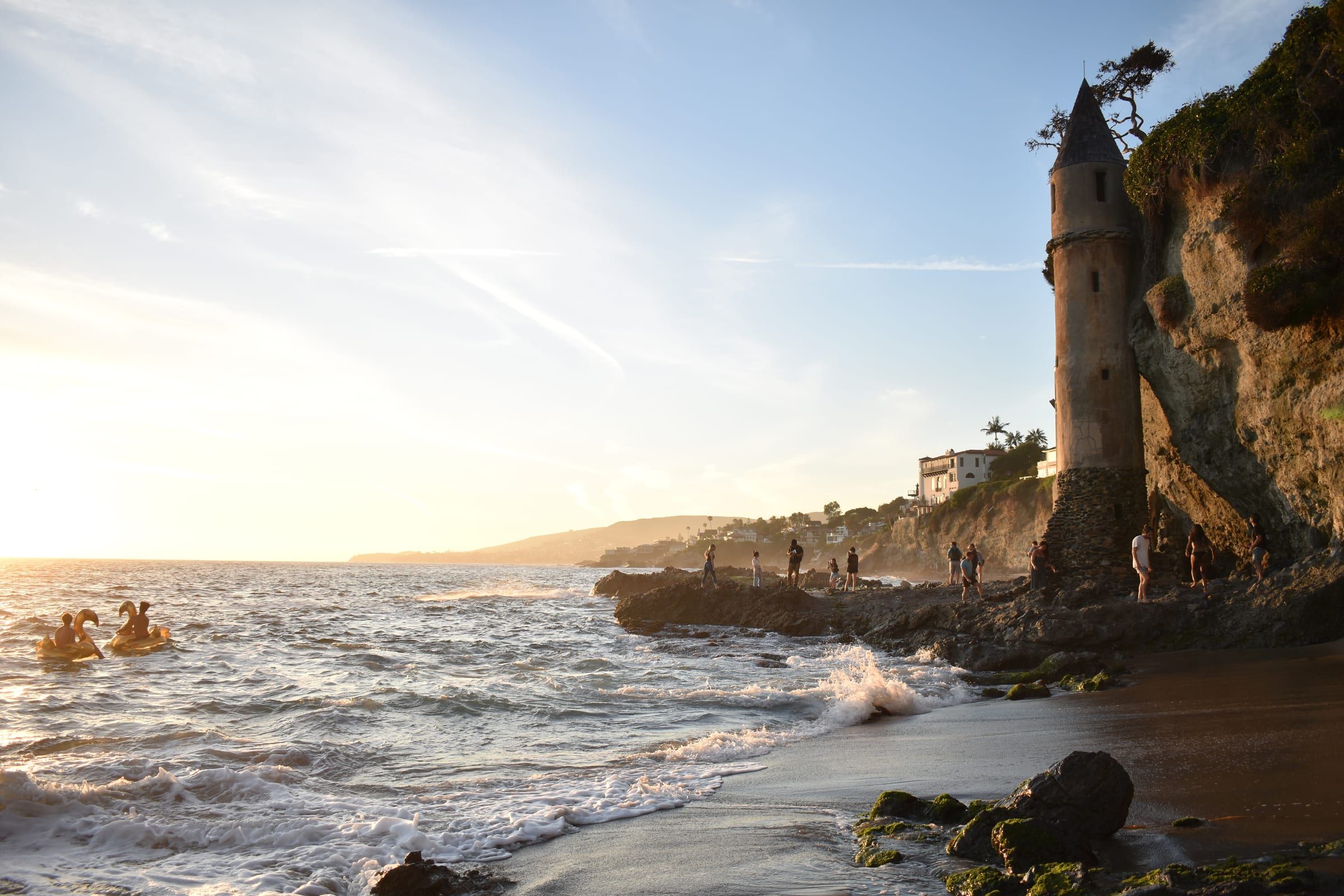
- Landmarks The Greeter statue, Hotel Laguna, the Pirate Tower and more.
Before the artists
People lived here long before the homesteaders. OC Parks says radiocarbon research dates human habitation of Laguna Canyon back to 2,000 years B.C., that evidence indicates the Acjachemen people lived in the canyon, and that a village called Tom-ok’ stood there. On its Aliso and Wood Canyons history page, OC Parks says Aliso Creek formed the boundary between the Acjachemen (Juaneño) and the Tongva (Gabrieleño), and that some park trails carry Juaneño names, such as Aswut, for golden eagle. OC Parks adds that Acjachemen people continue to seek formal recognition as a tribe.
The Laguna Beach Historical Society’s timeline says the area was one of the few parcels of coastal Southern California that no Mexican land grant covered. Homestead patents followed. More than 40 people applied for and received patents between 1871 and 1916 in the areas that later became Laguna Beach, and the society names Frederick Sievert as the first, in 1875.
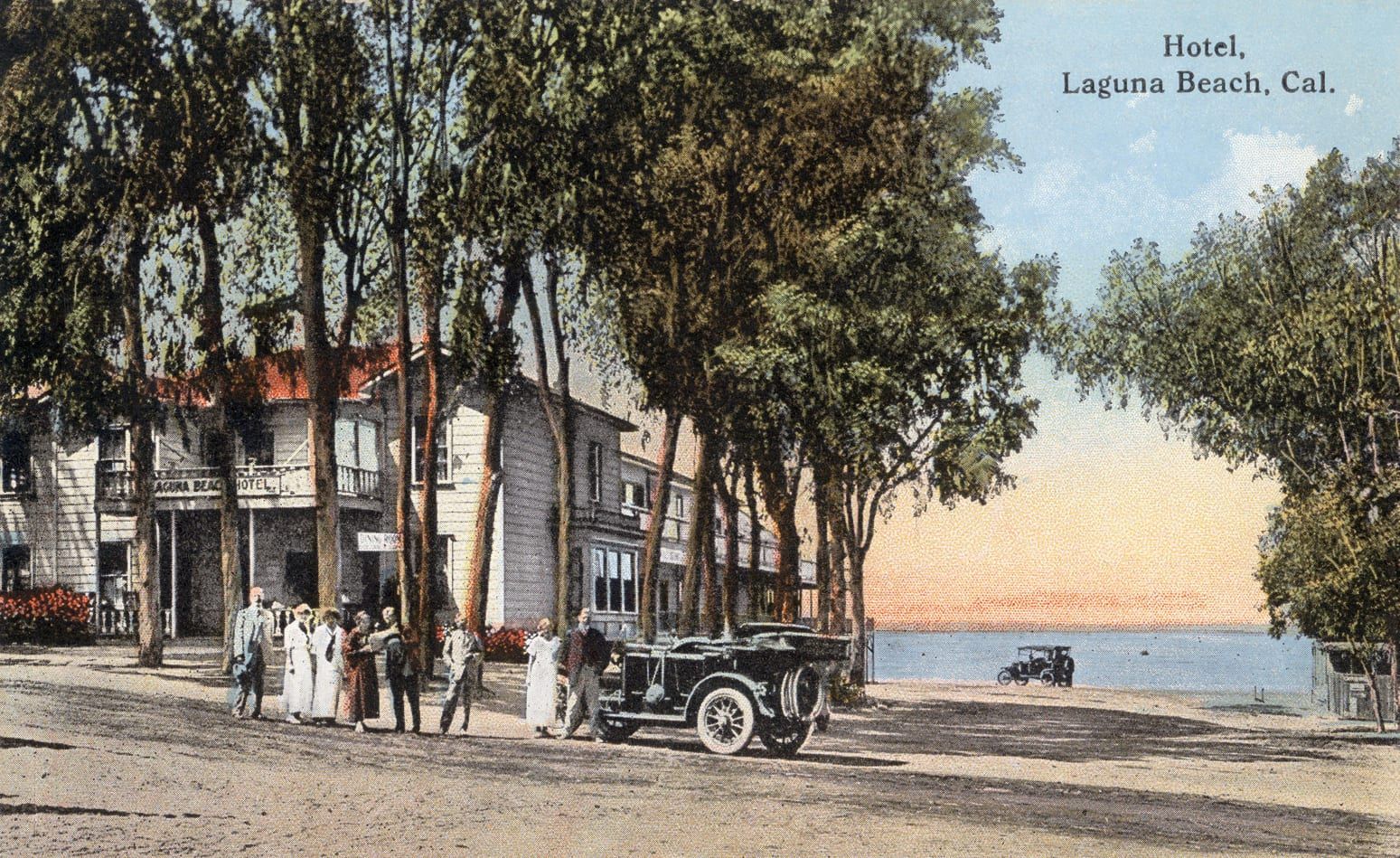
By 1880 a Portuguese immigrant named Joe Lucas was greeting stagecoach visitors with a fishing spear, which the society counts as the town’s first unofficial greeter. A stagecoach line through Laguna Canyon connected with the railroad in 1888. A real estate bust in 1888 to 1890 drove many early settlers away, and a hotel, a general store and a livery stable followed in 1895.
The art colony
In 1903 the painter Norman St. Clair arrived, the first of the painters who formed what the society calls the art colony. William Wendt, Frank Cuprien and Edgar Payne came after him. The town took its present name, Laguna Beach, in 1904, after a period when the name was spelled Lagona. By 1915 the society counts 35 artists in town.
Local artists founded the Laguna Beach Art Association in 1918, and the Laguna Art Museum grew out of it. The society ties the period to plein-air painting, a style it compares to that of French impressionists. Today’s galleries cluster along North Coast Highway.
The calendar of festivals started with the 1932 Festival of the Arts, which added living pictures to draw crowds after the Los Angeles Olympics. The society dates the Sawdust Festival and Laguna Art-A-Fair’s first shows to 1967, and the founding of what it calls Laguna Beach College of Art and Design to 1962. For current festivals, see the events guide.
Movies, a marine lab and a gate
The society’s timeline records that a film called False Colors was shot in town in 1914, with many later productions following. In 1913 Pomona College built a marine laboratory across from Main Beach to study sea life. In 1915 the gate that still hangs at Forest Avenue and Coast Highway went up, and the newspaper Laguna Life began publishing.
Becoming a city
Coast Highway opened between Laguna Beach and Newport in 1926. The next year Laguna Beach incorporated, which the society says made it the first incorporated city in South Orange County, driven by residents’ concern about the visitors the highway would bring. The population was 363 in 1920 and 1,981 in 1930 on the society’s figures.
The society also notes that there is no “Pacific Coast Highway” signage in town. Coast Highway is called North Coast Highway north of Broadway, South Coast Highway from Broadway to Nyes Place and Coast Highway south of that.
In 1968 the city bought 1,000 feet of beach frontage, which became Main Beach Park and opened the Village to the water. The park was dedicated in 1974.
Saving the canyon: the Greenbelt
Laguna Greenbelt, Inc. calls the preserved land around town the result of a decades-long struggle. It says bookstore owner Jim Dilley formed Citizens for the Greenbelt in 1968, inspired by greenbelts he had seen in England, and that the group incorporated as Laguna Greenbelt, Inc. two years later. In 1971, it says, Dilley persuaded the city and the Orange County Board of Supervisors to adopt the Greenbelt concept.
On November 11, 1989, eight to ten thousand people walked through Laguna Canyon to oppose the 3,200-home Laguna Laurel development, and Laguna Greenbelt, Inc. calls that walk the most visible moment in the fight over the canyon. The same year, The Tell: Phase VIII of the Laguna Canyon Project went up in the canyon. The UC Irvine Libraries’ collection guide describes it as a sculpted photo mural 636 feet long, made of more than 80,000 photographs and shown from 1989 to 1990, part of the photographers Jerry Burchfield and Mark Chamberlain’s effort to stop development there. In 1990 nearly 80 percent of Laguna Beach voters approved a property tax increase toward buying the Laguna Laurel land, and Laguna Coast Wilderness Park was dedicated in 1993. See Laguna Coast Wilderness Park for the trails today.
The 1993 fire and the centennial
The Historical Society’s timeline records a suspected arson fire in 1993 that swept the canyons and hilltops and destroyed 366 homes. The 1993 Laguna fire page sets out what happened and what changed afterward. Since the town incorporated in 1927, 2027 is its 100th year as a city; the centennial page lists what the city has announced.
The Historical Society and its bungalow
The Laguna Beach Historical Society is an all-volunteer nonprofit that collects and preserves historical documents and shares them with the public. Its museum is the Murphy-Smith Bungalow at 278 Ocean Avenue, a cottage dated to about 1923 and listed in the City of Laguna Beach Historic Register. Volunteer docents show the memorabilia on display. The society lists hours of most Fridays, Saturdays and Sundays from 1 to 4 p.m.
The society’s website also holds a chronology, a photo collection, newsletters from 1992 to the present and a research page on artists and art.
Researching a house
If you own or are thinking about buying an older home, the society’s research page lists where to start. The city’s Historic Resources Inventory covers pre-1940 homes designated historic in 1980. The city’s Historic Preservation page covers applications for the Laguna Beach Historic Register and the state’s Mills Act. The library’s local history collection, on Glenneyre Street, and Orange County Archives hold older records. For other practical steps after you move, see the living here section.
Places to see
Landmarks covers the Greeter statue, Hotel Laguna, the Victoria Beach tower and other sites with a story. The Village neighborhood has its own page: see the Village. Theater history is on the performing arts page.
Go with a guide
Tours, rentals and lessons
| Who | What their site offers | Checked |
|---|---|---|
| Laguna Beach Historical Society | Volunteer-run historical society; docents show the Murphy-Smith Bungalow museum |
Listed A to Z. Nobody paid to be here; we check each site and date it. Confirm times, prices and age limits with the business before you go.

Keep exploring
Related pages
-
-
-
-
- Art galleries Arts & culture
-
-
-
-
-


Questions
How did Laguna Beach become an art colony?
The Historical Society dates the art colony to 1903, when the painter Norman St. Clair arrived, followed by artists such as William Wendt, Frank Cuprien and Edgar Payne. Local artists formed the Laguna Beach Art Association in 1918.
When did Laguna Beach become a city?
The Historical Society says it incorporated in 1927 and was the first incorporated city in South Orange County. Residents were concerned about the visitors expected once Coast Highway opened.
Can you visit the Laguna Beach Historical Society?
Its Murphy-Smith Bungalow museum at 278 Ocean Avenue is open most Fridays, Saturdays and Sundays from 1 to 4 p.m., with volunteer docents. The society says most, not all, of those days, so confirm before you go.
How do you find the history of a Laguna Beach house?
The Historical Society points to the city's Historic Resources Inventory, which covers pre-1940 homes designated historic in 1980, plus the city's public GIS map viewer, the library's local history collection and Orange County Archives.
Thinking of moving here?
Get the printable moving checklist by email: before you move, moving week and your first 30 days.
Last reviewed
Sources (10)
- Chronology: area not in any Mexican land grant; over 40 individuals received homestead patents 1871 to 1916; first patent to Frederick Sievert in 1875; 1880 Joe Lucas from Portugal, first unofficial greeter, greeted stagecoach visitors carrying a trident fishing spear; stagecoach line via Laguna Canyon connected with the railroad in 1888; 1888 to 1890 real estate bust caused many early settlers to flee; 1895 Laguna Beach Hotel, Isch General Store and Isch-Warling Livery Stable; 1913 Pomona College Marine Laboratory built across from Main Beach; 1914 False Colors filmed; 1915 Laguna Life began publishing, The Gate hung at Forest and Coast Highway, 35 artists in town; 1903 Norman St. Clair arrives, first of the art colony painters, with William Wendt, Frank Cuprien and Edgar Payne; 1904 official name changed from Lagona back to Laguna Beach; 1918 Art Association, plein-air painting similar to French impressionists; 1920 population 363; 1930 population 1,981; 1926 Coast Highway opened from Laguna Beach to Newport and Victoria Beach tower built; 1927 cityhood, first incorporated city in South Orange County; 1932 Festival of the Arts and living pictures; 1938 Eiler Larsen, official greeter; 1962 Laguna Beach College of Art and Design founded; 1967 Sawdust Festival and Laguna Art-A-Fair first shows; 1968 city purchased 1,000 feet of beach frontage, Main Beach Park, dedicated 1974; North Coast Highway north of Broadway, South Coast Highway from Broadway to Nyes Place, Coast Highway south of Nyes Place, no Pacific Coast Highway signage in town: lagunabeachhistory.org, checked 2026-10-27
- Murphy Smith Bungalow, established about 1923, listed in the City of Laguna Beach Historic Register; address 278 Ocean Ave; hours most Fridays, Saturdays and Sundays from 1 to 4 p.m.; volunteer docents show the memorabilia on display: lagunabeachhistory.org, checked 2026-10-27
- Historical Society is an all-volunteer nonprofit that collects and preserves historical documents and presents them to the public; research pages on homes and on artists and art; newsletters 1992 to present; photo collection; chronology: lagunabeachhistory.org, checked 2026-10-27
- House research: city public GIS map viewer with planning and building files; City Historic Resources Inventory covers pre-1940 homes designated historic in 1980; city Historic Preservation page covers applications for the Laguna Beach Historic Register and the state Mills Act; Laguna Beach Public Library local history collection on Glenneyre Street; Orange County Archives: lagunabeachhistory.org, checked 2026-10-27
- OC Parks, Laguna Coast Wilderness Park history: radiocarbon research shows human habitation of Laguna Canyon as far back as 2,000 years B.C.; evidence indicates the Acjachemen people inhabited the Laguna Canyon area; a village called Tom-ok' was located in Laguna Canyon; Acjachemen people continue their struggle for formal recognition as a tribe: parks.oc.gov, checked 2026-10-28
- OC Parks, Aliso and Wood Canyons history: Aliso Creek formed the boundary line between the Acajchemem (Juaneno Mission) and the Tongva (Gabrieleno Mission); some park trails have native Juaneno names such as Aswut (golden eagle), Toovet (brush rabbit), Alwut (crow): parks.oc.gov, checked 2026-10-28
- Laguna Greenbelt, Inc. history timeline: decades-long struggle; The Walk, a massive protest in 1989, was the most visible moment in a long fight against a major development in Laguna Canyon; bookstore owner Jim Dilley, inspired by travels in England; 1968 Dilley forms Citizens for the Greenbelt, incorporated two years later as Laguna Greenbelt, Inc.; 1971 Dilley persuades the City of Laguna Beach and the Orange County Board of Supervisors to adopt the Greenbelt concept; November 11, 1989, eight to ten thousand protesters walk through Laguna Canyon to oppose the 3,200-home Laguna Laurel development; 1990 nearly 80% of voters approve a property tax increase for the initial payment for the Laguna Laurel land; 1993 Laguna Coast Wilderness Park dedicated: lagunagreenbelt.org, checked 2026-10-28
- UC Irvine Libraries, Jerry Burchfield Laguna Canyon posters (MS-R107): The Tell: Phase VIII, Laguna Canyon Project, a sculpted photographic mural on display in Laguna Canyon from 1989 to 1990, 636 feet long, over 80,000 photographs; Burchfield and Mark Chamberlain, photographers living in Laguna Beach; documenting the canyon to try to prevent a development: oac.cdlib.org, checked 2026-10-28
- Chronology, 1993: a suspected arson-set fire swept the canyons and hilltops of Laguna Beach, destroying 366 homes: lagunabeachhistory.org, checked 2026-10-28
- Laguna Art Museum began in 1918 as the Laguna Beach Art Association, formed by Anna Hills, Edgar Payne and other artists; 1929 gallery by Myron Hunt; renamed 1972 and 1986: lagunaartmuseum.org, checked 2026-10-27