Arts & culture · Local history
The 1993 Laguna Beach fire
On October 27, 1993, a wind-driven brush fire began on Laguna Canyon Road and burned into Laguna Beach and Emerald Bay. This page sets out the facts from the fire department, the city, the Historical Society and federal fire agencies, and where the city's wildfire information is now.
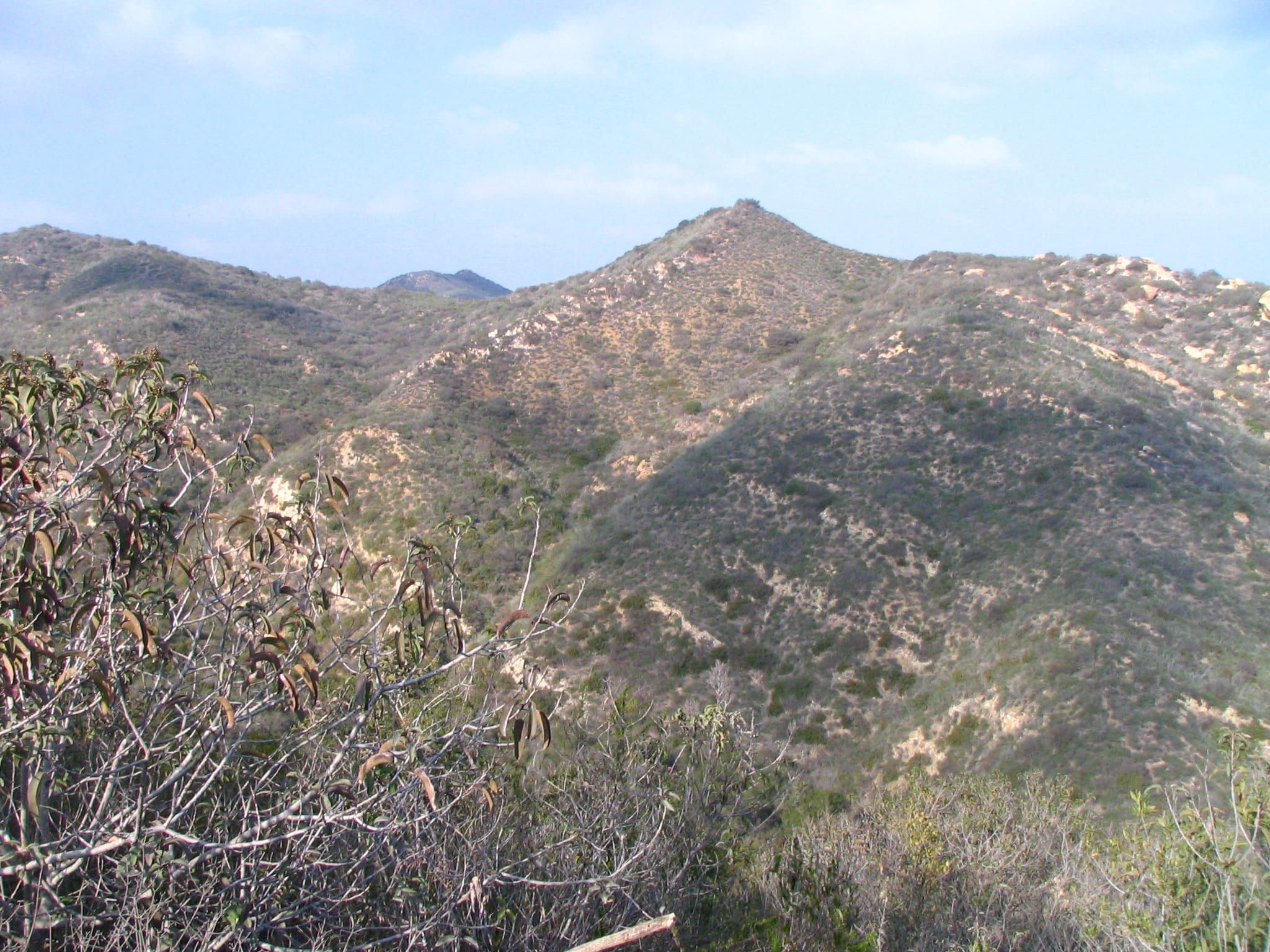
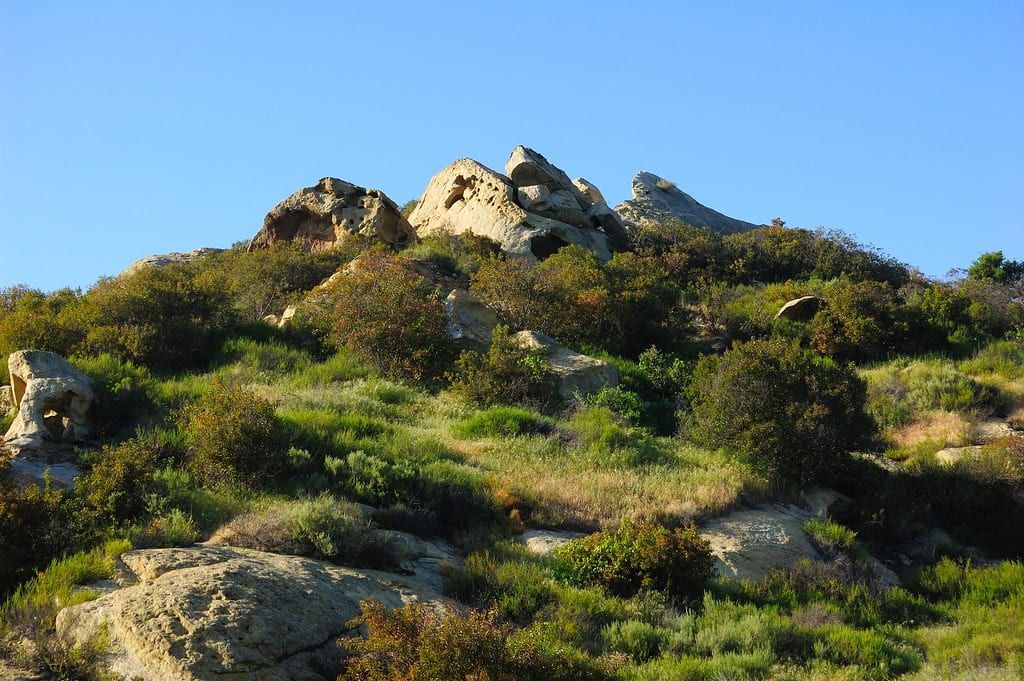
Photo: Shannon1, CC BY-SA 3.0

- Date
- October 27, 1993; first 911 calls at 11:50 a.m.
- Losses (county fire department)
- 441 homes destroyed or severely damaged; 14,337 acres; about $528 million
- Losses (Historical Society)
- 366 homes destroyed
- Evacuation
- More than 24,000 residents, per the county fire department
Where to go
Where to learn more
- Laguna Beach Historical Society Posts the chronology, anniversary talks and a memoir on the fire; address 278 Ocean Avenue.
What happened
The fire began on Wednesday, October 27, 1993, during Santa Ana wind conditions. The Orange County Fire Department’s report to the county Board of Supervisors, signed by its director of fire services, Larry J. Holms, records five 911 calls at 11:50 a.m. about a fire on Laguna Canyon Road, south of the I-405 freeway. The first engine on scene found about two acres of grass and brush. The report gives that day’s weather as north to northeast winds of 40 miles an hour, with gusts up to 92 in the canyons, a temperature of 78 degrees and relative humidity of 6 to 7 percent.
By 12:28 p.m. the fire had split into several fronts moving toward Laguna Beach, Emerald Bay and El Morro, with flames 40 to 50 feet high. The report says the air tankers requested at 12:08 p.m. arrived about 1:40 p.m., because other fires were burning across Southern California. At its height the fire consumed an average of 45 acres and four homes a minute. It reached the El Morro Mobile Home Park, Emerald Bay, Skyline Drive, Canyon Acres and the Laguna Skyline area. That evening the winds shifted toward Irvine, and firefighters stopped the flames 50 feet short of homes in Turtle Rock.
The evacuation
The county report says firefighters and law enforcement evacuated more than 24,000 residents without radio communications between agencies. Police used both north and southbound lanes of Pacific Coast Highway to move traffic: residents went south while firefighters came in from the north. A National Fire Academy paper, hosted by the U.S. Fire Administration, says the entire city was evacuated and calls that a significant factor in there being no civilian deaths or serious injuries. It also notes that Laguna Canyon Road is the city’s only east-west entrance.
The numbers, and why they differ
Sources count different things. The county fire department’s report says the Laguna fire destroyed or severely damaged 441 homes, burned 14,337 acres and caused about $528 million in damage; a table of past fires in the same report lists 14,337 acres burned and 347 structures destroyed. The Laguna Beach Historical Society’s chronology says the fire destroyed 366 homes. The National Fire Academy paper says the fire consumed 363 homes and burned 14,437 acres, and it also cites Cal Fire for 441 structures lost. The federal Wildland Fire Lessons Learned Center describes the whole October 26 to November 4 firestorm as three fires, Stagecoach, Laguna and Ortega, that together burned 36,000 acres and destroyed or severely damaged 469 homes. It calls the Laguna Fire the most destructive wildfire in Orange County history, in terms of property damage, up to that time. When you quote a number, name the source and what it counts.
The cause
The Historical Society’s chronology calls it a suspected arson-set fire and says no further information was ever found about how it started. The county fire department’s report lists the cause as arson in its table of the three fires, says the department had received more than 480 arson leads on the Laguna fire and related fires, and calls the Laguna fire investigation an open criminal fire investigation. The pages this guide cites name no one.
What changed afterward
The county report describes its first steps. Within days, county fire officials set up a Wildland-Urban Interface Task Force to produce three documents by July 1994: a model development standard for interface areas, recommendations for retrofitting developed areas and a model inspection and enforcement program. The report also describes state Assembly Bill 337, meant to identify Very High Fire Hazard Severity Zones and set roofing and brush clearance requirements in them, and Senate Bill 1841, which requires state agencies, and local agencies that receive state disaster funds, to use a standardized emergency management system. The report also noted that a 550-acre prescribed burn in the upper Emerald Canyon watershed had been proposed for three years and was finally scheduled for late November, but the Laguna fire started on October 27, before the burn could begin.
The city says it updated its Safety Element in 1995, after the 1993 fires destroyed several hundred homes. Today the Laguna Beach Fire Department describes four vegetation management practices: weed abatement, fuel modification for new construction and major remodels, defensible space and a fuel break program maintained by goat grazing and hand crews. It also offers a free wildfire consultation to all property owners in the city, and says 87 percent of the city’s land area lies in the Very High Fire Hazard Severity Zones that CAL FIRE designates. The Police Chief wrote in January 2025 that the city had invested more than $25 million in wildfire mitigation and divides the city into 22 evacuation zones. The emergency alerts and wildfire guide covers alerts, zones and clearance rules, and the home insurance guide explains how coverage works in fire zones.
Learning more
The Historical Society posts a chronology and has video of two anniversary talks by Gene Felder, one in October 2013 for the 20th anniversary and one in October 2018 for the 25th. Its Memories page links a memoir, “1993 Memories of the Laguna Beach Fire,” by Belinda Blacketer. The city’s Wildfire Videos page lists a video titled Laguna Beach Fire 1993. For the wider story of the town, see Laguna Beach history and landmarks.
Go with a guide
Tours, rentals and lessons
| Who | What their site offers | Checked |
|---|---|---|
| Laguna Beach Historical Society | Historical society with a chronology, recorded talks and a memoir on the 1993 fire |
Listed A to Z. Nobody paid to be here; we check each site and date it. Confirm times, prices and age limits with the business before you go.
Keep exploring
Related pages
-
-
-
-
-


Questions
When was the Laguna Beach fire of 1993?
It began on Wednesday, October 27, 1993. The Orange County Fire Department's report says dispatch received five 911 calls at 11:50 a.m. about a fire on Laguna Canyon Road.
How many homes did the 1993 Laguna fire destroy?
The counts differ by what they measure. The county fire department's report says 441 homes were destroyed or severely damaged, the Historical Society's chronology says 366 homes were destroyed, and a National Fire Academy paper says 363 homes were consumed. A table in the county report also lists 347 structures destroyed.
How did the 1993 Laguna Beach fire start?
The Historical Society calls it a suspected arson-set fire and says no further information was found on how it started. The county fire department's report lists the cause as arson and described an open criminal fire investigation, with more than 480 arson leads on the Laguna fire and related fires.
Did anyone die in the 1993 Laguna fire?
The county fire department's report says no lives were lost in the three Orange County fires of that week. A National Fire Academy paper credits the evacuation of the entire city as a significant factor in there being no civilian deaths or serious injuries.
What changed in Laguna Beach after the 1993 fire?
The city says it updated its Safety Element in 1995 after the fire. Today its fire department runs vegetation management, fuel breaks and free wildfire consultations, and the city publishes evacuation zones and alerts.
Thinking of moving here?
Get the printable moving checklist by email: before you move, moving week and your first 30 days.
Last reviewed
Sources (10)
- Orange County Firestorm 1993, a report to the County Board of Supervisors by Larry J. Holms, Director of Fire Services, Orange County Fire Department: five 911 calls at 11:50 a.m. on Wednesday October 27, 1993 reporting a fire on Laguna Canyon Road; Santa Ana conditions with north to northeast winds of 40 mph and gusts to 92 mph in canyons, 78 degrees, relative humidity 6 to 7 percent; fire split into multiple fronts by 12:28 p.m.; air tankers requested at 12:08 p.m. arrived about 1:40 p.m.; flames consumed an average of 45 acres and 4 homes per minute at the height; residents evacuated southward on Pacific Coast Highway while firefighters entered from the north; El Morro Mobile Home Park, Emerald Bay, Skyline Drive, Canyon Acres and Laguna Skyline hit; 441 homes destroyed or severely damaged, 14,337 acres, about $528,000,000; over 24,000 residents evacuated without radio communications; over 480 arson leads on the Laguna fire and related fires and an open criminal fire investigation; statistics table lists Laguna fire cause as arson, table of past fires lists Laguna Beach October 27, 1993 as 14,337 acres burned and 347 structures destroyed; Wildland-Urban Interface Task Force announced within days of suppression to produce three documents by July 1994; AB 337 intent to identify Very High Fire Hazard Severity Zones and set roofing and brush clearance requirements; SB 1841 requires state agencies and local agencies receiving state disaster assistance funds to use a standardized emergency management system; 550-acre prescribed burn in upper Emerald Canyon watershed proposed for three years, scheduled for late November; report scanned, text read by OCR; Wildland-Urban Interface Task Force; Assembly Bill 337 Very High Fire Hazard Severity Zones; Senate Bill 1841; no lives lost across the three Orange County fires: lessonslearned-prod-media-bucket.s3.us-gov-west-1.amazonaws.com, checked 2026-10-28
- Wildland Fire Lessons Learned Center incident page: Orange County Firestorm 1993, October 26 to November 4, with the Stagecoach, Laguna and Ortega fires, 36,000 acres combined, 469 homes destroyed or severely damaged combined, the Laguna Fire the most destructive wildfire in terms of property damage in Orange County history to that time, no fatalities: lessons.wildfire.gov, checked 2026-10-28
- National Fire Academy applied research paper by Kris Head (2009), hosted by the U.S. Fire Administration: October 27, 1993 wildfire consumed 363 homes and burned 14,437 acres before the Santa Ana winds subsided; 441 structures lost, citing Cal Fire 2007; the fire occurred in the Laguna Canyon Fire Corridor along Laguna Canyon Road, the only east/west entrance into the city; the entire city was evacuated, a significant contributing factor to no civilian fatalities or serious injuries: apps.usfa.fema.gov, checked 2026-10-28
- Laguna Beach Historical Society chronology, 1993: a suspected arson-set fire swept the canyons and hilltops of Laguna Beach, destroying 366 homes; no further information was ever found as to how it started: lagunabeachhistory.org, checked 2026-10-28
- Historical Society programs: 20th Anniversary of Laguna Wildfire (October 2013) and 25th Anniversary of the 1993 Fire (October 2018), both by Gene Felder with video; 'The 1993 Laguna wildfire, Lessons that Changed our Environment' in its earlier programs; site footer address 278 Ocean Ave: lagunabeachhistory.org, checked 2026-10-28
- Historical Society Memories/Journeys page lists '1993 Memories of the Laguna Beach Fire' by Belinda Blacketer as a PDF: lagunabeachhistory.org, checked 2026-10-28
- City Wildfire Videos page lists archival videos titled Laguna Beach Fire 2015, 2005, 1995 and 1993: lagunabeachcity.net, checked 2026-10-28
- City Safety Element Update page: the Safety Element was last updated by the City in 1995 after the catastrophic wildfires in 1993 destroyed several hundred homes; the update relies on the 2018 Local Hazard Mitigation Plan, the 2019 Wildfire Mitigation and Fire Safety Report and an evacuation time estimate study: lagunabeachcity.net, checked 2026-10-28
- Fire Department wildfire page: 87 percent of the city's land area and about 65 percent of buildable property in Very High Fire Hazard Severity Zones designated by CAL FIRE; vegetation management through weed abatement, fuel modification for development, defensible space and a fuel break program maintained by goat grazing and hand crews; free wildfire consultation for property owners: lagunabeachcity.net, checked 2026-10-28
- Police Chief's message January 15, 2025: Wildland Fire Mitigation and Fire Safety Subcommittee of the City Council; city has invested more than $25 million in wildfire mitigation; evacuation modeling study by KLD Engineering; 22 evacuation management zones: lagunabeachcity.net, checked 2026-10-28