
- Lifeguards
- City Marine Safety, every day of the year
- Coverage
- Not every beach has a lifeguard at all times
- Rip current advice
- Swim parallel to shore, per NOAA
- Marine Safety phone
- (949) 497-0310
Lifeguards at Laguna Beach
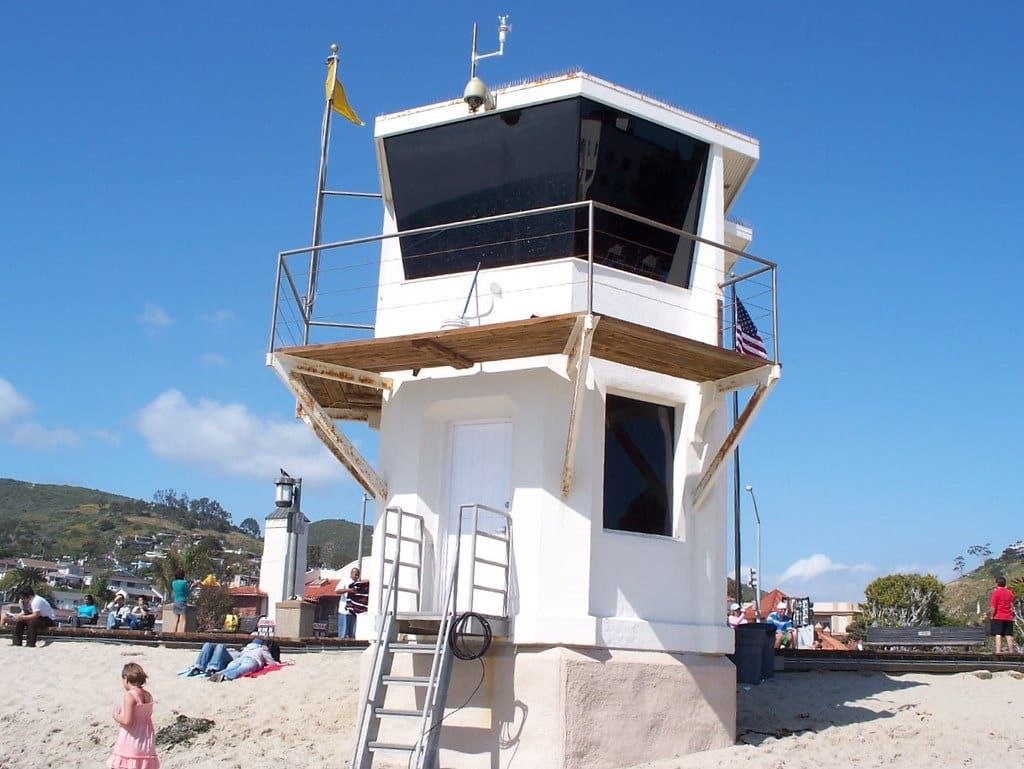
The city’s Marine Safety Department says its lifeguards watch the visitors, boardwalk and ocean every day of the year, along seven and a half miles of coast. It reports that it protects more than six million beach visitors and that the United States Lifesaving Association recognizes it as an Advanced Agency.
The city also says plainly that not every beach has a lifeguard at all times. It advises swimming near a lifeguard and with a buddy. Marine Safety cites United States Lifesaving Association statistics over ten years showing the chance of drowning at a beach without lifeguard protection is almost five times as great. For current conditions, call Marine Safety at (949) 497-0310.
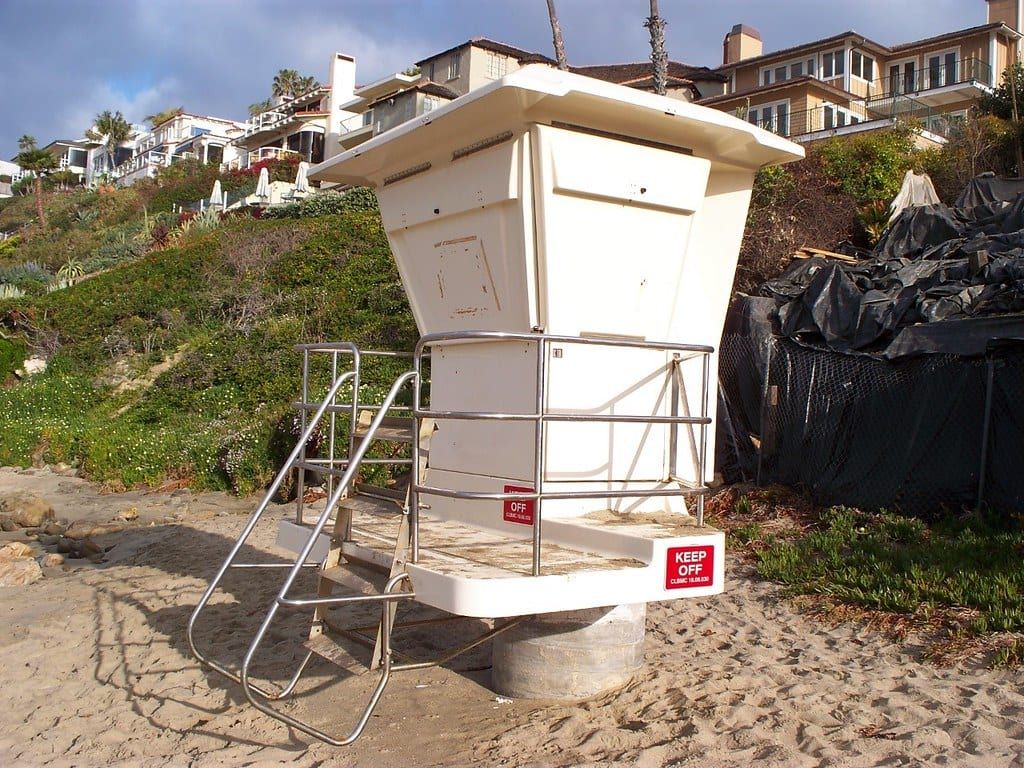
Under the municipal code, no one may disobey a lifeguard or climb, hang from or sit on a lifeguard tower.
Flags and signs
Marine Safety says lifeguards may fly flags to advise of hazards and rules that change from time to time, and asks visitors to read the signs when they arrive. The municipal code names one flag: a yellow flag displaying a black ball goes up at or near an area where surfing is prohibited. The code also lets Marine Safety, the police chief and the city manager close the water to swimming and surfing in storms, crowded conditions or other hazards, and it requires people to leave the water when ordered.
Rip currents
NOAA describes rip currents as powerful, narrow channels of fast-moving water that can reach about eight feet per second. If you are caught, NOAA says, do not fight it: swim parallel to the shore, then angle back toward land. Marine Safety’s advice matches: most rip currents are narrow, and a short swim parallel to shore brings you out of them.
The National Weather Service says rip currents often form on calm, sunny days. It advises swimming only at a beach with lifeguards, checking conditions and talking to the lifeguard before going in. The service links local beach forecasts for rip current conditions.
Shorebreak, rips and rocks at named beaches
The city’s own beach pages describe conditions at two beaches this page names:
- Crescent Bay. The city calls the surf a strong shorebreak, says numerous rip currents can be present depending on conditions and says the cove can be a dangerous place to enter the water. See Crescent Bay.
- Main Beach. The city says the surf can be large and dangerous, with numerous rip currents and heavy shorebreak waves. See Main Beach.
The Mountain Road and Sleepy Hollow pages summarize what the city says about rip currents at those beaches. Marine Safety adds that the rocks along the coast are dangerous: lifeguards answer emergency calls on weekends from people hurt on them, and waves have swept people off their feet. Swimmers and kayakers may not go onto Seal Rock off Crescent Bay.
Tide pools
The city says low tide is the best time for tide pooling, so consult a tide chart before you come, and suggests waterproof shoes because the rocks can be sharp. The National Weather Service warns never to turn your back on the ocean. See tide pools.
Summer swimming and surfing areas
The municipal code treats the water within 200 yards of shore as swimming and surfing areas. From June 15 to September 15 it designates surfing areas near Brooks Street, between St. Ann’s Drive and Thalia Street, at Victor Hugo’s Point to Jasmine Street and at Agate Street, where surfing is allowed during set hours and swimming is excluded. At Aliso Beach it sets a surfing zone from noon to 6 p.m. The city notes that surfing is not permitted on Main Beach in summer. Read the posted signs and flags, and see the surfing page for beaches where surfing is allowed.
Stingrays
California State Parks says stingrays sting only out of defense and tells beachgoers to shuffle their feet as they walk instead of lifting them, so rays scatter. For a sting, it recommends soaking the area in hot, fresh water and getting medical attention, especially for a deep wound, bleeding that does not stop, signs of infection or an allergic reaction.
Before you go
Marine Safety’s surf page links a Main Beach webcam, surf reports for Brooks Street and Rockpile beaches, a surf forecast tide chart and real-time weather. The city says the Orange County Health Care Agency monitors water quality at Orange County beaches, including Laguna Beach. For the full list of beach rules, see beach rules.
Keep planning
Related pages
-

-

-
-
-
-
-
-


Questions
Are there lifeguards at every Laguna Beach beach?
No. The city's lifeguards work every day of the year, but the city says not every beach has a lifeguard at all times. It advises swimming near a lifeguard and with a buddy.
What should you do if you are caught in a rip current?
NOAA says not to fight it. Swim parallel to the shore, then angle back toward land. Marine Safety gives the same advice: a short swim parallel to shore usually gets you out of a narrow rip.
What does the yellow flag with a black ball mean at Laguna Beach?
Under the municipal code, a yellow flag with a black ball is raised at or near an area where surfing is prohibited. Lifeguards may fly other flags for changing hazards and rules, so check with them.
Do stingrays sting people at Laguna Beach?
California State Parks says stingrays sting out of defense and recommends shuffling your feet in shallow water so rays move away. Ask a Marine Safety lifeguard about current conditions at your beach.
Thinking of moving here?
Get the printable moving checklist by email: before you move, moving week and your first 30 days.
Last reviewed
Sources (12)
- Department of Marine Safety protects over six million beach visitors along seven-and-a-half miles of coastline; lifeguards every day of the year; recognized as an Advanced Agency by the United States Lifesaving Association; (949) 497-0310: lagunabeachcity.net, checked 2026-10-27
- Marine Safety safety tips from the United States Lifesaving Association: swim near a lifeguard (drowning chance almost five times as great without lifeguard protection), swim with a buddy, check with the lifeguards, obey posted signs and flags (flags may be flown by lifeguards to advise of hazards and regulations that change from time to time), learn rip current safety; Marine Safety (949) 497-0310 and non-emergency (949) 497-0701: lagunabeachcity.net, checked 2026-10-27
- Always swim near a lifeguard and with a buddy; not every beach has a lifeguard at all times; every weekend lifeguards answer emergency calls from people injured on the rocks; waves can be unpredictable and have swept many beachgoers off their feet; water quality monitored by the Orange County Health Care Agency: lagunabeachcity.net, checked 2026-10-27
- Surf Reports and Real-Time Weather page: Main Beach webcam, surf reports for Brooks Street Beach and Rockpile Beach, surf forecast tide chart, weather links: lagunabeachcity.net, checked 2026-10-27
- Crescent Bay: strong shorebreak, numerous rip currents depending on conditions, can be a dangerous place to enter the water; Seal Rock off limits to swimmers and kayakers: lagunabeachcity.net, checked 2026-10-27
- Main Beach: shorebreak surf; surf can be large and dangerous with numerous rip currents and heavy shore break waves; surfing not permitted in summer months: lagunabeachcity.net, checked 2026-10-27
- Municipal Code 18.20: hazardous conditions orders (18.20.020), waters within 200 yards designated swimming and surfing areas, June 15 to September 15 surfing areas at Brooks Street, St. Ann's Drive to Thalia Street, Victor Hugo's Point to Jasmine Street and Agate Street, and an Aliso Beach surfing zone from noon to 6 p.m. (18.20.025), yellow flag with a black ball when surfing is prohibited (18.20.030): ecode360.com, checked 2026-10-27
- Municipal Code 18.10: no climbing, hanging or sitting on a lifeguard tower (18.10.030); no disobeying a lifeguard (18.10.035): ecode360.com, checked 2026-10-27
- NOAA National Ocean Service: rip currents are powerful, narrow channels of fast-moving water, can reach about eight feet per second; if caught, don't fight it, swim parallel to the shore, then angle back toward land: oceanservice.noaa.gov, checked 2026-10-27
- National Weather Service: rip currents often form on calm, sunny days; only swim at a beach with lifeguards; check the local beach forecast and talk to the lifeguard before going in; never turn your back on the ocean: weather.gov, checked 2026-10-27
- California State Parks: stingrays strictly sting out of defense; shuffle your feet as you walk instead of lifting them so rays scatter; soak a sting in hot, fresh water; seek medical attention after a stingray injury, especially for a deep or extensive wound, bleeding that does not stop, signs of infection or an allergic reaction: parks.ca.gov, checked 2026-10-27
- City Beach Information page: tide pooling is best at low tide (the page adds a safety reason), so consult a tide chart; waterproof shoes, as the rocks can be sharp on bare feet: lagunabeachcity.net, checked 2026-10-27