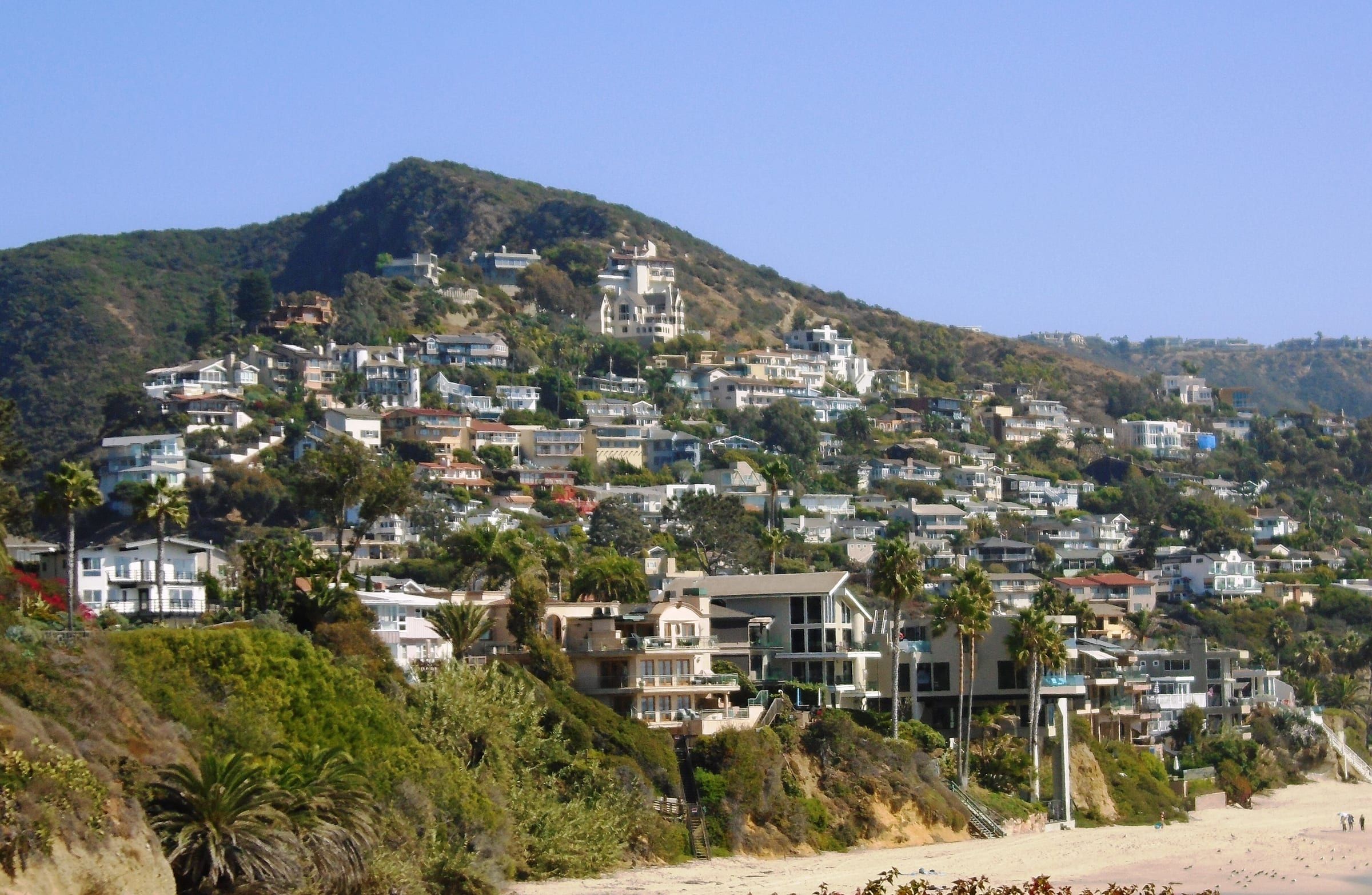
- View claims
- Vegetation 6 feet or taller within 500 feet of the claimant
- Hedge claims
- Vegetation within 100 feet of the claimant
- Committee
- View Restoration Committee, five residents
- Heritage Trees
- List adopted by City Council; permit to remove
- Planning
- (949) 497-0713
Laguna Beach runs separate processes for blocked views, hedges and tree removal. This guide says what the city’s pages and the municipal code state. It is not legal advice. Planning answers questions at (949) 497-0713.
Which process applies
The city’s own FAQ sorts the questions this way:
- Trees that block a view: a View Restoration claim under Chapter 12.16.
- Hedges that block a view, block sunlight or create a safety problem: a hedge height claim under Chapter 12.14.
- A Heritage Tree, a tree on an approved landscape plan or a privately maintained tree in the public right-of-way: a tree removal permit under Chapter 12.06 or Chapter 12.08.
- A branch that hangs over your yard: a civil matter with no city ordinance.
The FAQ also says a parcel with no approved landscape plan, no design review conditions on landscaping and no hedge ruling has no height or plant-type limit. A parcel with an approved landscape plan carries the plant conditions and any height limits in that plan. A parcel with a hedge ruling carries the height set in the ruling.
View Restoration claims
A property owner can ask to restore a pre-existing view that vegetation has impaired. The code limits claims to vegetation that is six feet or taller and within 500 feet of the claimant’s property boundary. The steps:
- Talk to the vegetation owner. The code calls for an informal, cooperative discussion first.
- File a notice of intent. It includes photographs of the vegetation and the view you want restored. The city mails it to the vegetation owner and invites them to a mediation meeting.
- Mediate. The mediator cannot issue binding orders. Any agreement is a private agreement between you and the owner. The claimant pays the mediator unless the parties agree otherwise.
- File a claim. If the owner does not respond or mediation fails, you may file. You carry the burden of proof.
- Public hearing. Each committee member visits the site, and the View Restoration Committee hears the claim at a noticed hearing.
The city requires photographs that show the view that existed on or after the earlier of your date of purchase or November 4, 2003. It does not accept photos from real estate websites or enhanced or altered photos, and it does not consider views from hallways, closets, mechanical rooms, bathrooms or garages.
The committee weighs criteria in the code, including where the obstruction sits in the view frame, the quality of the view, whether the vegetation has become overgrown and the vegetation’s benefits, such as privacy, shade and erosion control. The claimant generally pays for the first round of restoration work, and the committee may split the cost. The vegetation owner pays for later maintenance. Decisions run with the land and bind future owners.
Some vegetation is exempt, including Heritage Trees, city-maintained vegetation and vegetation covered by design review height limits or a hedge claim ruling.
View Preservation
View Preservation records a view before something blocks it. City staff photograph the view from selected spots inside your primary residence, and the record becomes a Record of Views. It does not set a height limit on vegetation. It sets a benchmark for judging a significant impairment later. It covers vegetation only, and you cannot re-record it if your view improves.
If you already have a View Restoration order against one property, you can file for preservation afterward to protect the rest of your view. You cannot file for restoration if a preservation record came first. If you report that vegetation now blocks a recorded view, city staff must confirm a significant impairment before the city informs the vegetation owners. File through the city’s Public Permit Portal.
The View Restoration Committee
The committee has five residents appointed by the City Council. It generally meets the second Wednesday of each month at 5:00 p.m., and it can approve a view restoration order and set a maintenance schedule for the vegetation.
Hedge height claims
A hedge claim covers dense vegetation in a front, side or rear yard that blocks a view or sunlight or creates a safety hazard. The vegetation must be within 100 feet of your property. The code requires you to try to resolve the matter with the owner first, then file a form with a plot plan, photographs, a mailing list from a professional listing service and a fee. Once you file, the owner cannot alter the vegetation until the claim is resolved. The community development director holds a public hearing and can set a maintenance height. Either side may appeal to the City Council.
Heritage Trees
The City Council keeps a Heritage Tree List. The code’s criteria include historical significance for trees older than 50 years, distinctive form, a link to a person or event of community-wide significance, remnants of native California Live Oak, Sycamore and Toyon stands, and scenic prominence from public view corridors. An owner can apply to the community development director to nominate a tree, and placing it on the list takes a majority vote of the council. The city’s Heritage Tree List, revised October 18, 2022, is exempt from View Restoration.
Without a permit, removing, destroying or substantially altering a Heritage Tree is a misdemeanor, except in an emergency when police or fire order a hazardous tree removed. You need a permit from the community development director to trim in a way that substantially alters its natural form or to build new construction within 15 feet of the trunk. Removal needs City Council approval.
Removing a tree
A tree removal permit is required for three kinds of trees: Heritage Trees, trees on a landscape plan approved through design review and privately maintained trees in the public right-of-way. Heritage Trees go to the City Council. Design review trees go to the Design Review Board. Right-of-way trees go to the community development director after notice and an on-site meeting.
The permit is void unless the work is done within 30 days. The director can extend that time for just cause, and the city can allow more time when birds are nesting in the tree. The city may require replacement trees of at least 15 gallons. The code exempts some trees, including those with a trunk under six inches across at four and a half feet above ground, trees an ISA certified arborist finds in writing to be structurally unsound or unstable, for example because they are dead or diseased, and trees under a view restoration order. Unpermitted removal can bring citations and administrative penalties. The building permits guide explains design review.
Trimming and overhanging branches
The city suggests a certified arborist for trimming advice and says view corridors fit into a regular trimming schedule. For branches that cross your property line, the city says the matter is civil and no ordinance covers it. California Civil Code section 833 says a tree whose trunk stands wholly on one owner’s land belongs to that owner, even when roots reach next door, and section 834 says a tree whose trunk straddles a line belongs to the owners in common. Talk to your neighbor, and ask an attorney before cutting anything.
Who to call
- Planning: (949) 497-0713 for View Restoration, View Preservation, hedge claims, Heritage Trees and tree removal permits.
- Code Enforcement: (949) 497-0301 for tree removal without a permit. The neighbor rules guide lists how to report.
Questions
Is there a height limit for a neighbor's trees or hedges in Laguna Beach?
The city says parcels without an approved landscape plan or a hedge ruling have no height or plant-type limit. A neighbor can still file a View Restoration claim for trees or a hedge height claim for hedges.
Do you need a permit to remove a tree in Laguna Beach?
A permit is required for Heritage Trees, trees on a landscape plan approved through design review and privately maintained trees in the public right-of-way. The code exempts some trees, such as trees under six inches in trunk diameter and trees an ISA certified arborist finds in writing to be structurally unsound.
What is the View Restoration Committee?
It is a five-member committee of residents appointed by the City Council. It hears view claims at public hearings and can order vegetation trimmed and set a maintenance schedule.
What can you do about a neighbor's tree that hangs over your yard?
The city says this is a civil matter and no city ordinance covers it. California law says a tree belongs to the owner whose land the trunk stands on, so talk to your neighbor first and ask an attorney before cutting.
Get the moving checklist
The printable checklist by email: before you move, moving week and your first 30 days.
Living here
More for your move


Last reviewed
Sources (12)
- City FAQ: with no approved landscape plan or design review conditions there are no height or plant-type limits on vegetation; trees that block a view go to a View Restoration claim under Chapter 12.16; hedges that block a view, sunlight or pose a safety concern go to a Hedge Height Claim under Chapter 12.14; a permit is required to remove Heritage Trees, trees on design-review-approved landscape plans and privately maintained trees in the public right-of-way; a neighbor's overhanging tree is a civil matter with no ordinance and the city's goal is that neighbors work together; parcels with a hedge height ruling are conditioned to a specific height: clients.comcate.com, checked 2026-10-28
- Views and Trees page: hedge height claim covers generally dense vegetation in a front, rear or side yard setback that diminishes sunlight, obstructs views or is a safety hazard for ingress or egress; Heritage Trees are designated by size, age, unique features or significance, the Public Works Department maintains Heritage Trees in public areas, owners can apply to nominate a tree, the Heritage Tree List (revised 10-18-2022) is exempt from View Restoration; parcels with a landscape plan approved through design review with height limits must trim to the approved plan; the city suggests a certified arborist; Planning (949) 497-0713: lagunabeachcity.net, checked 2026-10-28
- View Restoration and Preservation page: the ordinance lets owners preserve selected viewing locations and restore pre-existing views impaired by vegetation; restoration under LBMC 12.16.050 starts with mediation (Phase 1) and then a public hearing before the View Restoration Committee (Phase 2); photographs must document the view that existed on or after the earlier of the claimant's acquisition date or November 4, 2003, photographs from real estate websites or altered photographs are not accepted, and views from hallways, closets, mechanical rooms, bathrooms and garages are not considered; View Preservation under 12.16.040 records the view with city staff photographs from inside the primary residence, does not set height limits, covers vegetation only and cannot be redone; you can file restoration first and preservation later but not the reverse; city staff must confirm a significant impairment of a Record of Views before notifying vegetation owners; Planning (949) 497-0713: lagunabeachcity.net, checked 2026-10-28
- Municipal Code Chapter 12.16: restoration claims only for vegetation six feet or higher and within 500 feet of the claimant's property boundary; cooperative discussion first, then a notice of intent and mediation (the mediator cannot issue binding orders and the claimant pays the mediator unless otherwise agreed), then a claim heard at a noticed public hearing with a site visit by each committee member; the claimant has the burden of proof and staff may deny a claim where photos were altered or the view was obtained illegally; criteria for significant view impairment include the location of the obstruction within the view frame, the quality of the view, how the vegetation is maintained, and vegetation benefits such as privacy, shade and erosion control; the claimant generally pays for initial restoration and the committee may apportion it, the vegetation owner pays later maintenance; exempt vegetation includes vegetation under six feet or farther than 500 feet, city-maintained vegetation, Heritage Trees, vegetation under design review height limits or a hedge claim ruling; decisions run with the land and are recorded with the county: ecode360.com, checked 2026-10-28
- Municipal Code Chapter 12.14: a hedge height claim covers hedges in front, side or rear yards that create a safety hazard or obstruct views or sunlight, may only be made about vegetation within 100 feet of the claimant, requires a prior attempt to resolve with the owner, a plot plan, photos, a noticing list and a fee, the claimant carries the burden of proof, the vegetation cannot be altered after filing, the director holds a public hearing and may set maintenance heights not below the maximum fence height unless the hedge is a safety hazard, and either party may appeal to the City Council: ecode360.com, checked 2026-10-28
- View Restoration Committee: five residents appointed by the City Council adjudicate view claims at public hearings, may approve a view restoration order and set a maintenance schedule, and generally meet on the second Wednesday of each month at 5:00 p.m.; (949) 497-0713: lagunabeachcity.net, checked 2026-10-28
- Municipal Code Chapter 12.08: Heritage Tree criteria (historical significance and older than 50 years, distinctive form, association with a person or event of community-wide significance, remnants of native California Live Oak, Sycamore and Toyon stands, or scenic prominence from public view corridors); owners apply to the community development director and the City Council places a tree on the list by majority vote; removing, destroying or substantially altering a heritage tree without a permit is a misdemeanor except in an emergency ordered by police or fire; a permit is needed to trim in a way that substantially alters its form or build within 15 feet of the trunk; removal needs City Council approval: ecode360.com, checked 2026-10-28
- Municipal Code Chapter 12.06: a tree removal permit is required for Heritage Trees (Category I, decided by City Council), trees on a design-review-approved landscape plan (Category II, decided by the Design Review Board) and privately maintained trees in the public right-of-way (Category III, decided by the community development director after notice and an on-site meeting); a permit is void unless the work is done within 30 days, and the director may extend that time for just cause or for nesting birds; replacement trees of at least 15 gallons may be required; exemptions include trees under six inches in trunk diameter at four and a half feet, hazardous or dead trees certified in writing by an ISA certified arborist, trees under a view restoration order and trees on private property outside the three categories; unpermitted removal can bring citations, fines and administrative penalties: ecode360.com, checked 2026-10-28
- Civil Code 833: trees whose trunks stand wholly upon the land of one owner belong exclusively to that owner although their roots grow into the land of another: leginfo.legislature.ca.gov, checked 2026-10-28
- Civil Code 834: trees whose trunks stand partly on the land of two or more coterminous owners belong to them in common: leginfo.legislature.ca.gov, checked 2026-10-28
- Code Enforcement enforces removal of trees without a permit: lagunabeachcity.net, checked 2026-10-28
- Code Enforcement Division phone (949) 497-0301: lagunabeachcity.net, checked 2026-10-28